Niue Flag Meaning
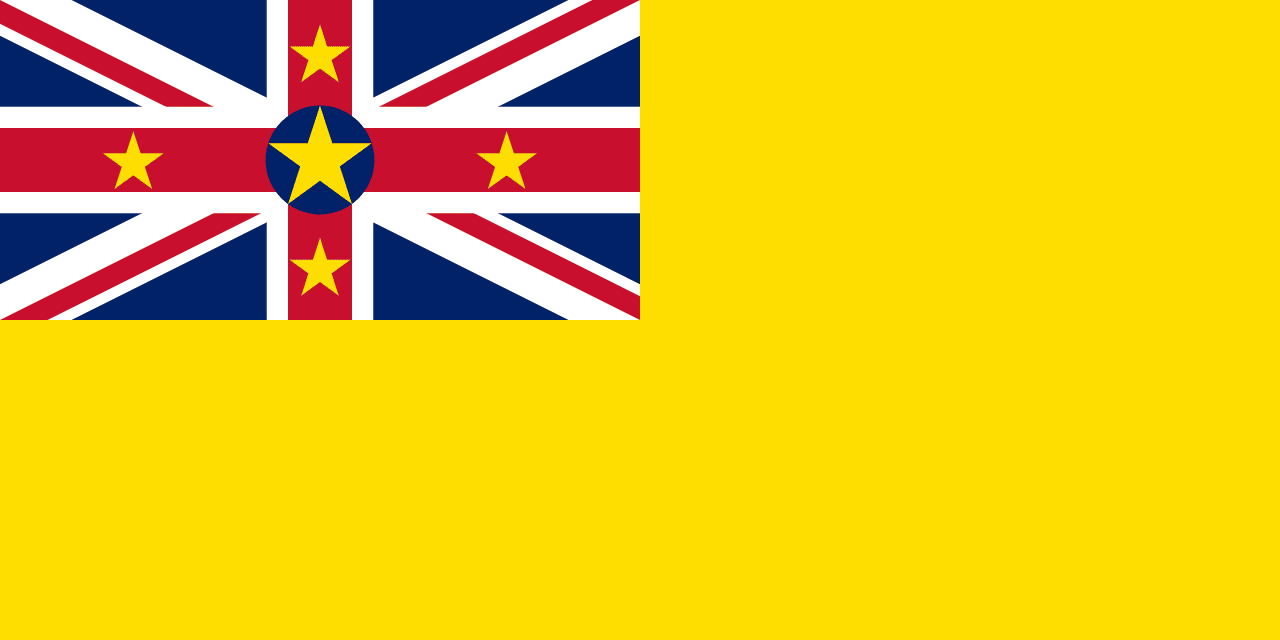
Golden yellow field with Union Jack canton and stars representing 'The Rock of Polynesia' and its unique free association with New Zealand.
- Continent
- Oceania
- Adopted
- 1975
- Ratio
- 1:2
- Colors
- yellow, blue, red, white
Symbolism
- Golden Yellow Field
- Represents the bright sunshine over Niue, the warm friendship between Niue and New Zealand, and the golden future of this unique Pacific nation.
- Union Jack Canton
- Symbolizes Niue's constitutional links with New Zealand and the British Commonwealth, reflecting the island's history and continued political associations.
- Four Stars Around Union Jack
- Represent the Southern Cross constellation visible in Niue's night sky, symbolizing the island's location in the South Pacific and its Christian faith.
- Large Central Star
- Symbolizes Niue itself, standing proudly independent while maintaining its special relationship with New Zealand through free association.
- Bright Colors
- The vibrant yellow contrasts with the traditional Union Jack colors, representing Niue's distinct Polynesian identity within the broader Pacific community.
History
- 900-1000 AD: Polynesian settlers arrived on Niue, establishing a unique culture on this isolated coral island that they called 'Nukututaha' (behold the land standing alone).
- 1774: Captain James Cook attempted to land on Niue but was repelled by inhabitants, leading him to name it 'Savage Island' - a name the Niueans understandably reject.
- 1846: London Missionary Society established Christianity on Niue, fundamentally transforming the island's culture and leading to the adoption of Christian governance principles.
- 1900: Niue became a British protectorate administered by New Zealand, beginning over 70 years of direct colonial rule while maintaining some traditional structures.
- October 19, 1974: Niue achieved self-governance in free association with New Zealand, becoming one of the world's smallest self-governing nations with unique political status.
- October 15, 1975: Current flag officially adopted to celebrate the first anniversary of self-government, symbolizing Niue's independence while honoring its New Zealand relationship.
Trivia
- Niue is one of the world's largest coral islands, earning the nickname 'The Rock of Polynesia' due to its elevated coral limestone formation.
- With a population of only about 1,600 people, Niue has one of the smallest populations of any self-governing nation in the world.
- More Niueans live in New Zealand (about 24,000) than on Niue itself, creating a significant diaspora that maintains strong cultural connections.
- Niue was the first country in the world to provide free WiFi internet access to all its residents and visitors, making it a pioneer in digital connectivity.
- The island has no rivers or streams - all fresh water comes from rainwater collection and a underground lens of fresh water floating on saltwater.
- Niue issues some of the world's most unusual coins, including ones shaped like Pokemon characters, Star Wars figures, and Disney characters that are legal tender.
- The island operates its own internet domain (.nu) which has become popular worldwide because 'nu' means 'now' in many languages.
- Traditional Niuean culture includes unique art forms like weaving with pandanus leaves and creating tapa cloth from mulberry bark.
- Niue has no military and relies on New Zealand for defense, though it maintains its own police force and participates in regional security cooperation.
- The island is home to unique wildlife including the coconut crab, fruit bats, and endemic species of birds that exist nowhere else on Earth.
- Niuean citizens are also New Zealand citizens, creating a unique dual citizenship arrangement that allows free movement between the countries.
- The island experiences some of the clearest water in the world, with visibility often exceeding 60 meters, making it a paradise for diving and snorkeling.
- Traditional Niuean houses called 'fale' were built without nails, using coconut fiber rope to lash together wooden frames in earthquake-resistant designs.
- Niue participates in international organizations separately from New Zealand, including having its own membership in UNESCO and the Pacific Islands Forum.
Related Countries
American Samoa
Oceania
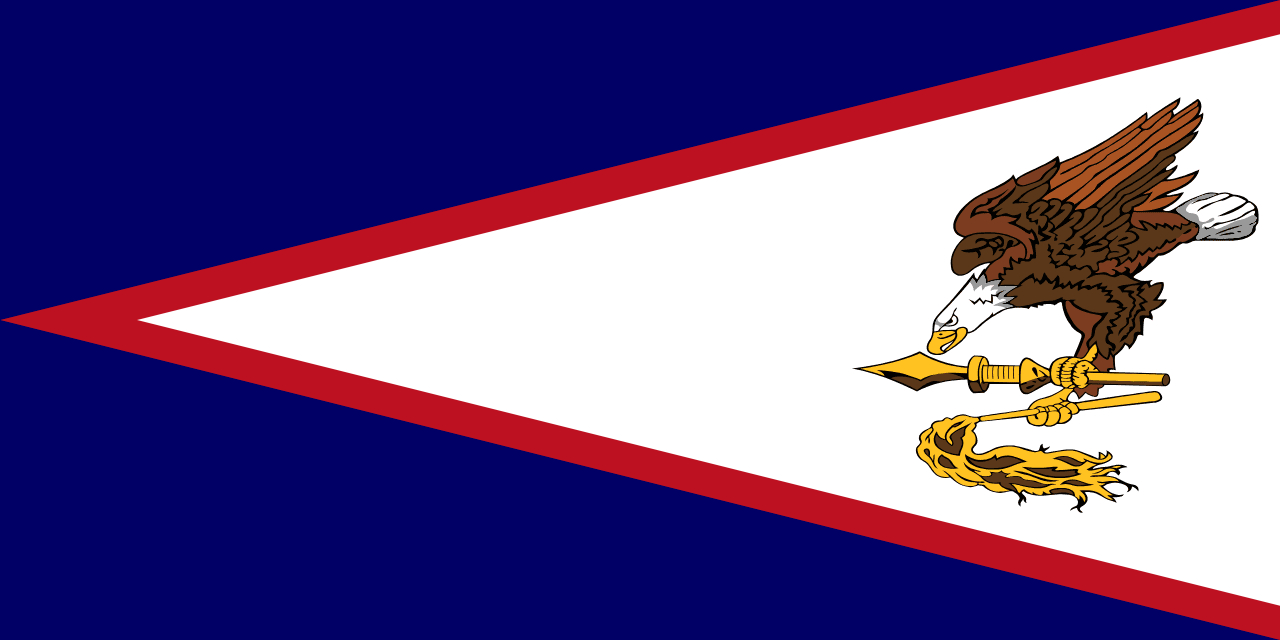
Red, white, and blue field featuring a bald eagle holding traditional Samoan symbols, representing the blend of American and Polynesian cultures.
Australia
Oceania
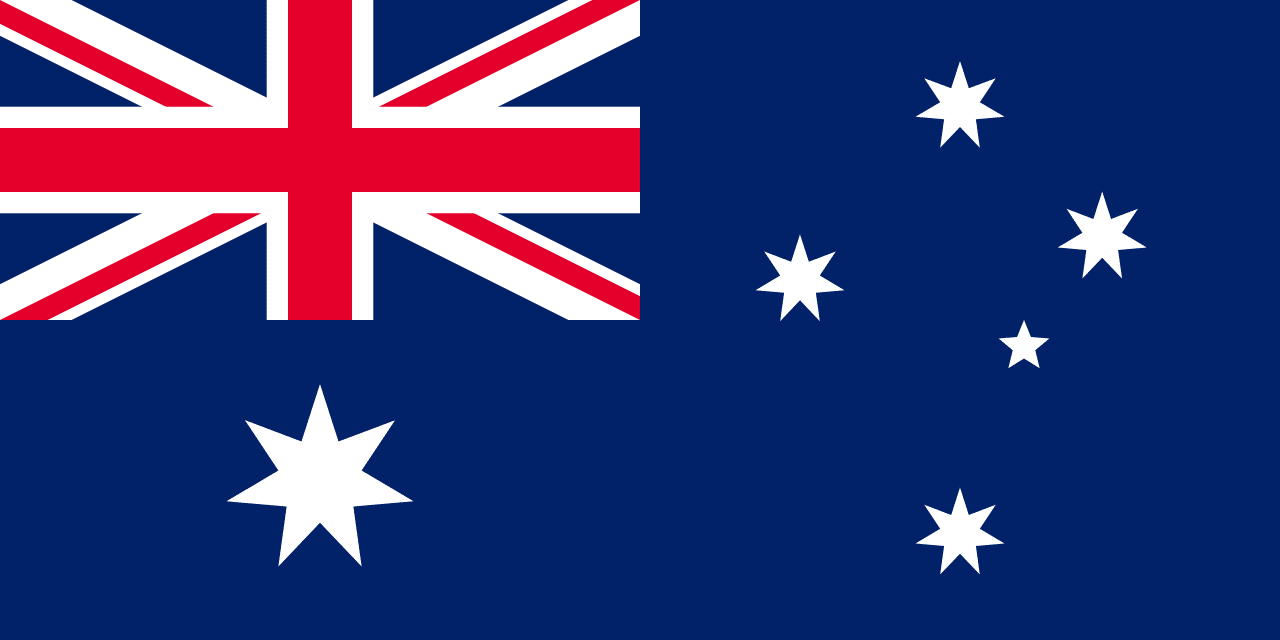
A blue ensign featuring the Union Jack in the canton and the Southern Cross constellation on the fly, with a large Commonwealth Star beneath the Union Jack, representing Australia's British heritage, its location in the Southern Hemisphere, and the federation of six colonies into one nation.
Norfolk Island
Oceania
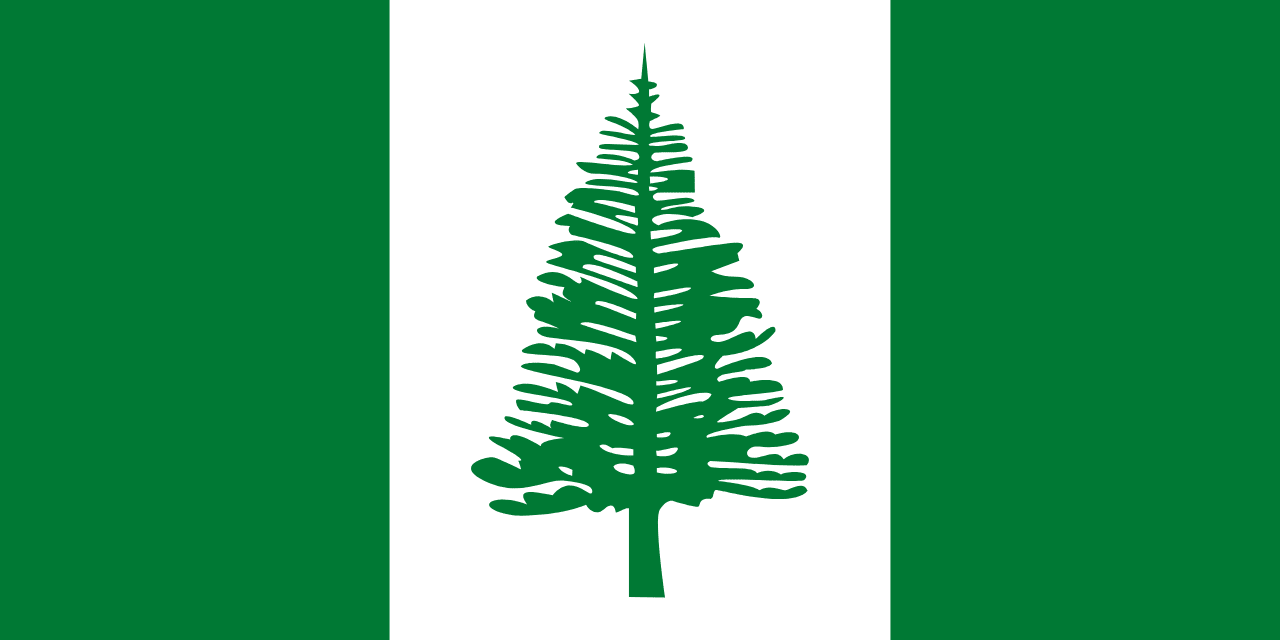
Vertical green stripe and white field featuring the iconic Norfolk Pine, symbol of the island's unique heritage.
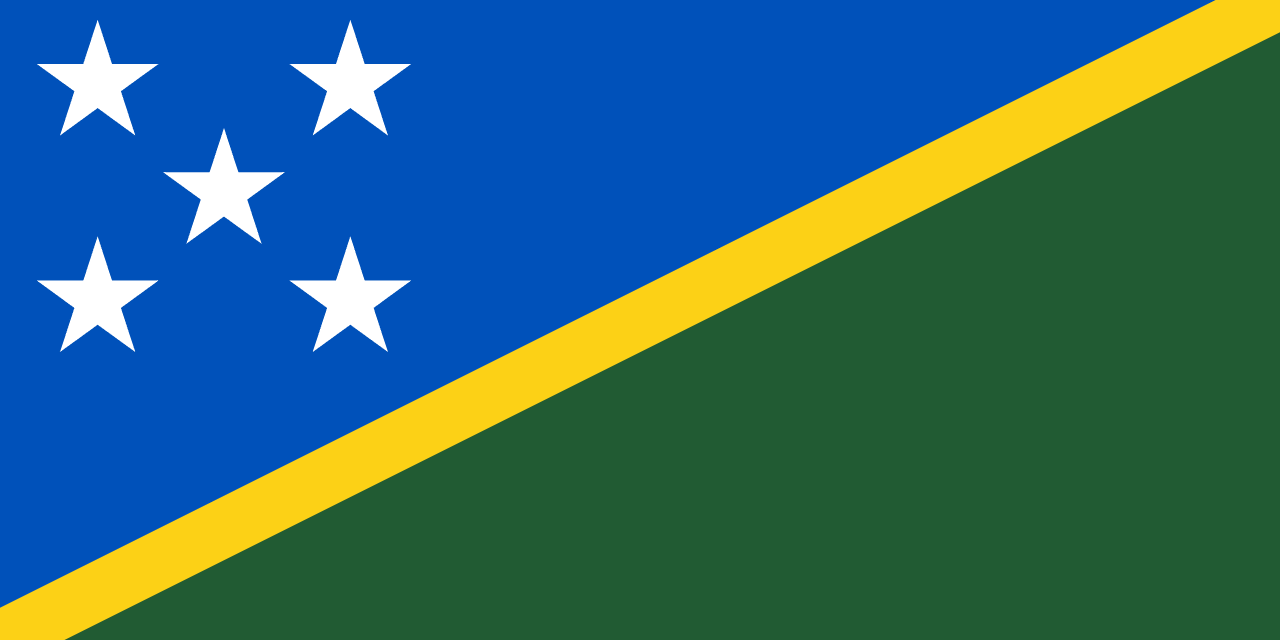
Solomon Islands
Oceania
A blue triangle in the upper hoist and green triangle in the lower fly, separated by a thin yellow diagonal stripe, with five white five-pointed stars arranged in an X pattern in the blue triangle, representing the ocean, land, sunshine, and the five main island groups of this Melanesian nation.
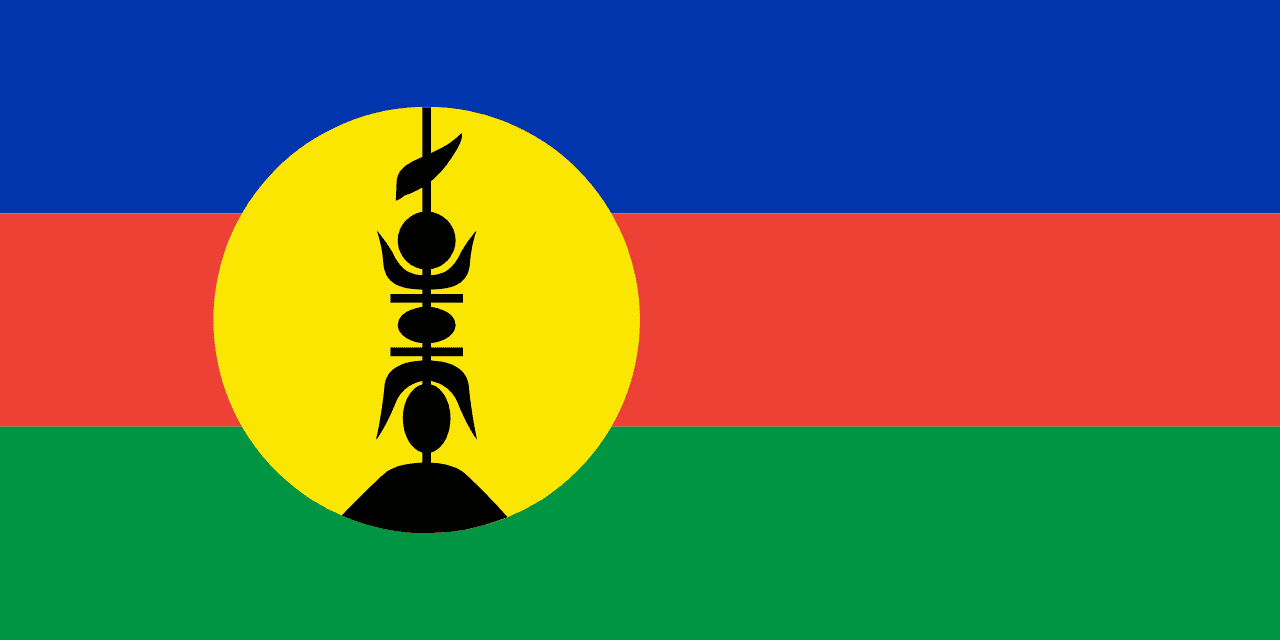
New Caledonia
Oceania
The flag of New Caledonia is one of the few in the world to be flown alongside another—the French tricolor, symbolizing both local identity and continued ties to France. Adopted in 2010 after years of debate, the design features blue, red, and green horizontal bands with a yellow disc at the center bearing a black flèche faîtière, a traditional rooftop spear. Each element carries meaning rooted in the Kanak people’s culture, the islands’ natural environment, and the struggle for recognition within a French overseas territory. To study this flag is to see the blending of indigenous heritage with colonial history, and how symbols can serve as a bridge between tradition and modern political reality.
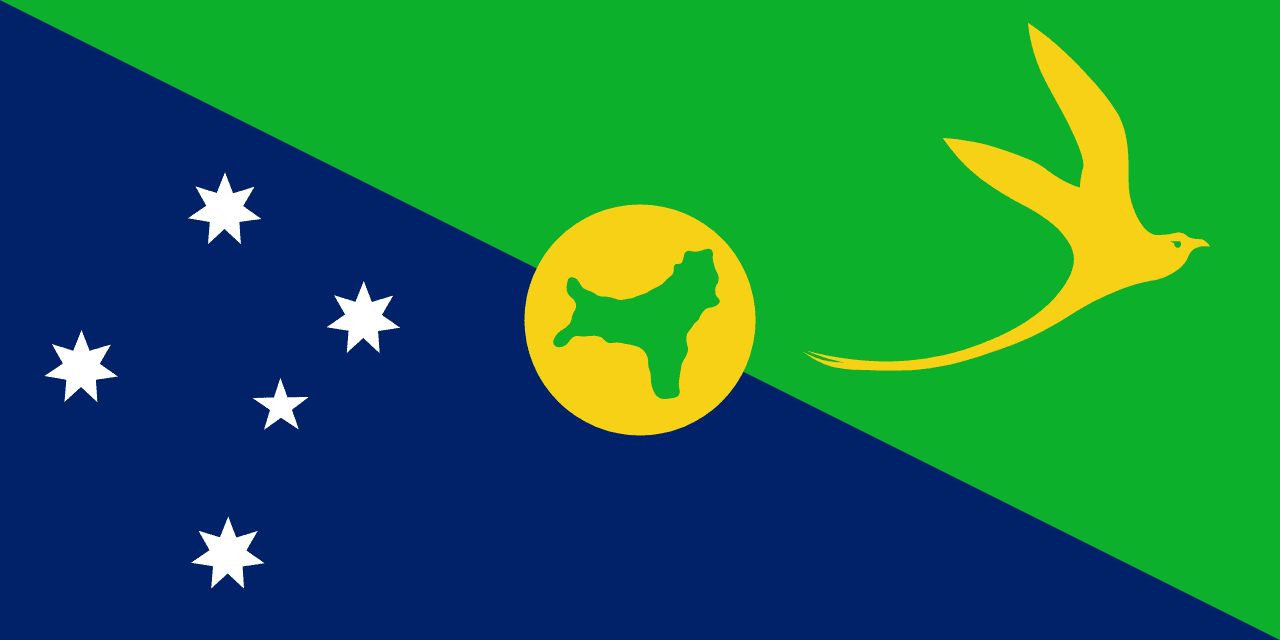
Christmas Island
Oceania
Green and blue field with Southern Cross constellation, golden bosun bird, and a circle representing the island.