New Caledonia Flag Meaning
The flag of New Caledonia is one of the few in the world to be flown alongside another—the French tricolor, symbolizing both local identity and continued ties to France. Adopted in 2010 after years of debate, the design features blue, red, and green horizontal bands with a yellow disc at the center bearing a black flèche faîtière, a traditional rooftop spear. Each element carries meaning rooted in the Kanak people’s culture, the islands’ natural environment, and the struggle for recognition within a French overseas territory. To study this flag is to see the blending of indigenous heritage with colonial history, and how symbols can serve as a bridge between tradition and modern political reality.
- Continent
- Oceania
- Adopted
- 2010
- Ratio
- 2:3
- Colors
- blue, red, green, yellow
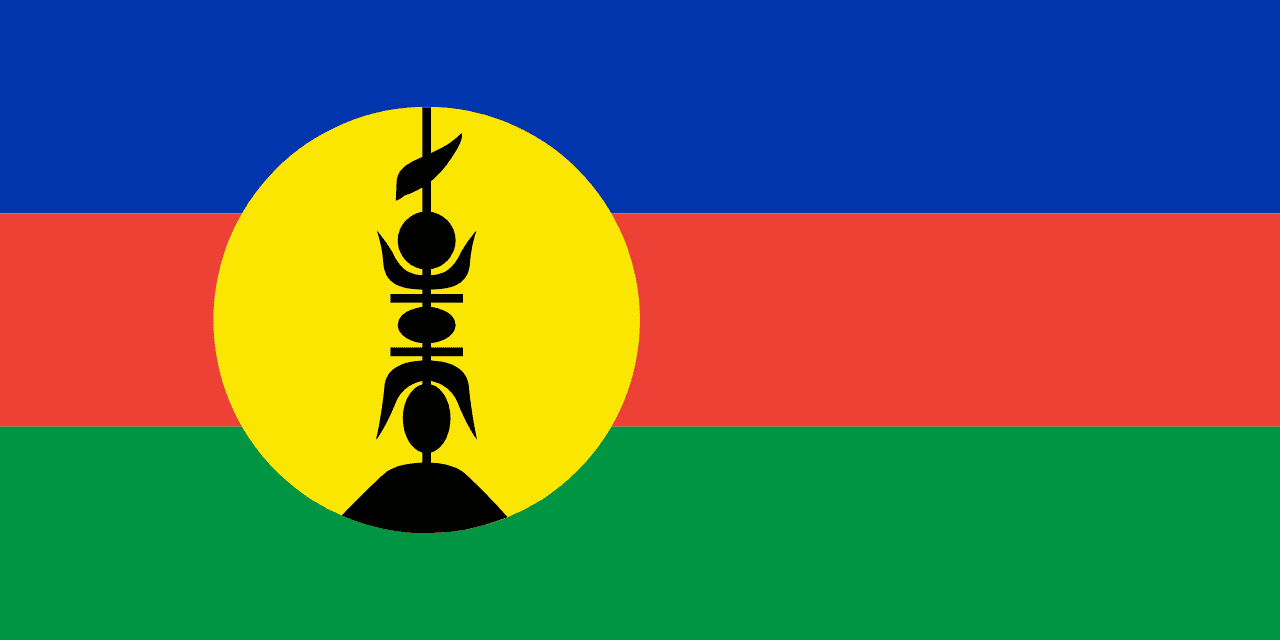
Symbolism
- Blue Stripe
- Represents the Pacific Ocean surrounding New Caledonia, the sky above the islands, and the maritime heritage connecting the archipelago to the wider Pacific region.
- Red Stripe
- Symbolizes the blood shed by the Kanak people in their struggle for recognition and rights, as well as the unity and strength of all New Caledonian communities.
- Green Stripe
- Represents the lush vegetation, unique flora of New Caledonia's biodiversity hotspot, and the land that sustains the indigenous Kanak and all inhabitants.
- Yellow Circle
- Symbolizes the sun shining over New Caledonia and the bright future hoped for by all communities living together on the islands.
- Traditional Kanak Symbol
- The stylized design within the yellow circle represents Kanak culture, featuring traditional motifs that honor the indigenous Melanesian heritage and spiritual connection to the land.
History
- 1774: Captain James Cook named the islands 'New Caledonia' after Scotland (Caledonia), becoming the first European to map the archipelago.
- 1853: France formally annexed New Caledonia, establishing it as a penal colony and later bringing in indentured workers from various Pacific islands and Asia.
- 1878: The Great Kanak Revolt led by Chief Ataï challenged French colonial rule, resulting in significant loss of life and increased tensions over land rights.
- 1988: Matignon Agreements signed, beginning a process of decolonization and increased autonomy for New Caledonia within the French Republic.
- 1998: Nouméa Accord established a 20-year transition period toward possible independence, with increased self-governance and recognition of Kanak culture.
- July 13, 2010: Current flag officially adopted alongside the French tricolor, symbolizing New Caledonia's unique identity while maintaining ties to France.
- 2018-2021: Three independence referendums held under the Nouméa Accord, with independence rejected but pro-independence sentiment remaining significant.
Trivia
- New Caledonia contains about 25% of the world's known nickel reserves, making mining the territory's largest industry and economic driver.
- The territory is home to the world's largest lagoon, recognized as a UNESCO World Heritage Site for its exceptional marine biodiversity.
- New Caledonia has more endemic plant species than the entire European continent, earning it recognition as one of the world's biodiversity hotspots.
- The indigenous Kanak people developed a unique form of traditional architecture called 'grande case' - large oval huts with conical thatched roofs.
- The territory uses the CFP franc (Pacific franc) as currency, shared with French Polynesia and Wallis and Futuna.
- New Caledonia is closer to Australia (1,200 km) than to France (16,000 km), creating strong regional Pacific connections alongside European ties.
- The Kagu bird is found nowhere else in the world and appears on New Caledonian coins - it's a flightless bird that barks like a dog.
- Three official languages are recognized: French, and the Melanesian languages Drehu and Nengone, with over 30 indigenous languages spoken.
- The territory's Grand Terre island is shaped like a cigar and is surrounded by one of the world's longest barrier reef systems.
- New Caledonia hosts the world's most important nesting site for green sea turtles in the South Pacific region.
- The flag flies alongside the French tricolor at government buildings, symbolizing the territory's special status within the French Republic.
- Traditional Kanak culture includes complex systems of customary law, clan relationships, and ceremonial exchanges that continue today alongside French legal systems.
- The territory has one of the Pacific's most developed economies but also faces challenges with wealth inequality between different communities.
Related Countries
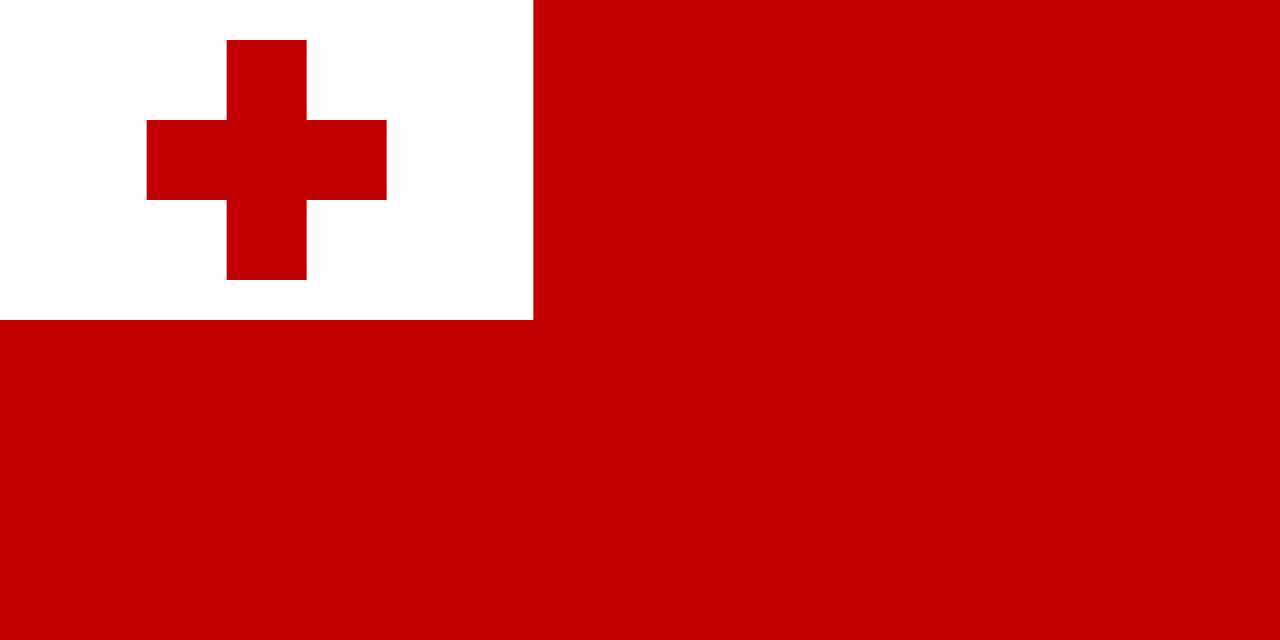
Tonga
Oceania
A red field with a white canton containing a red cross, representing the blood of Christ and the sacrifice of Jesus for mankind, the purity of Christian faith, and the deeply Christian identity of the Kingdom of Tonga as a Pacific island nation that was never colonized.
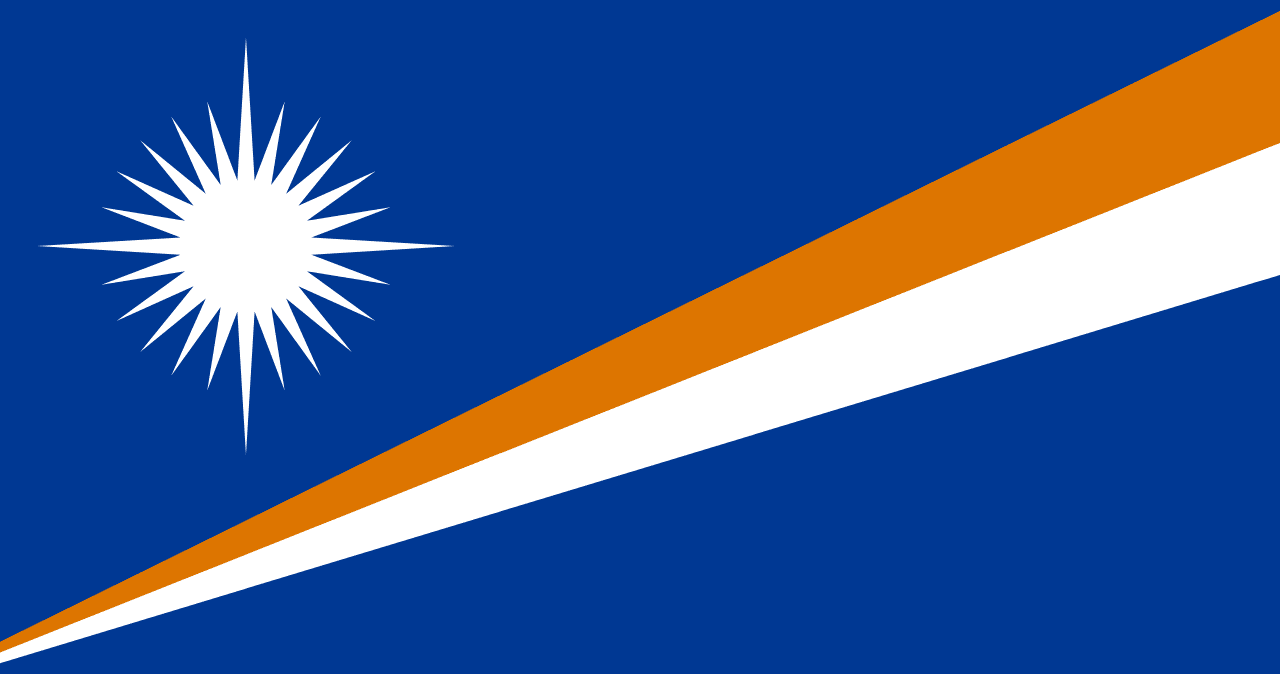
Marshall Islands
Oceania
A blue field with diagonal orange and white stripes extending from the lower left, and a white 24-pointed star in the upper left corner, representing the Pacific Ocean, the island chains, and the Christian faith of this coral atoll nation.
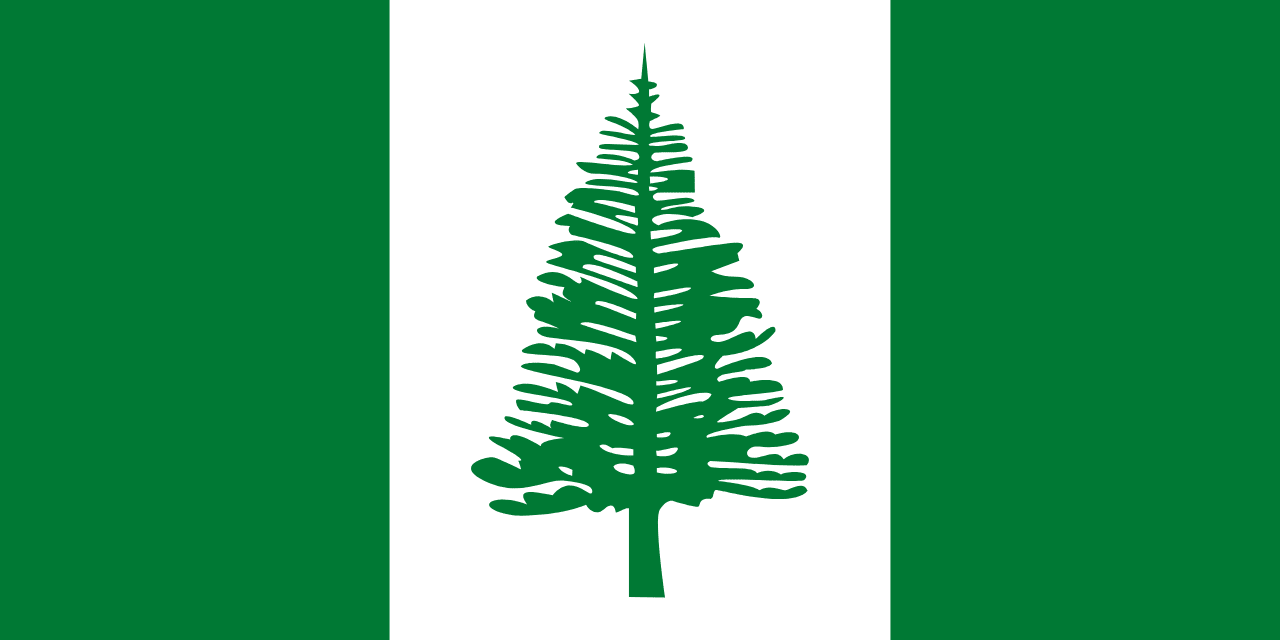
Norfolk Island
Oceania
Vertical green stripe and white field featuring the iconic Norfolk Pine, symbol of the island's unique heritage.
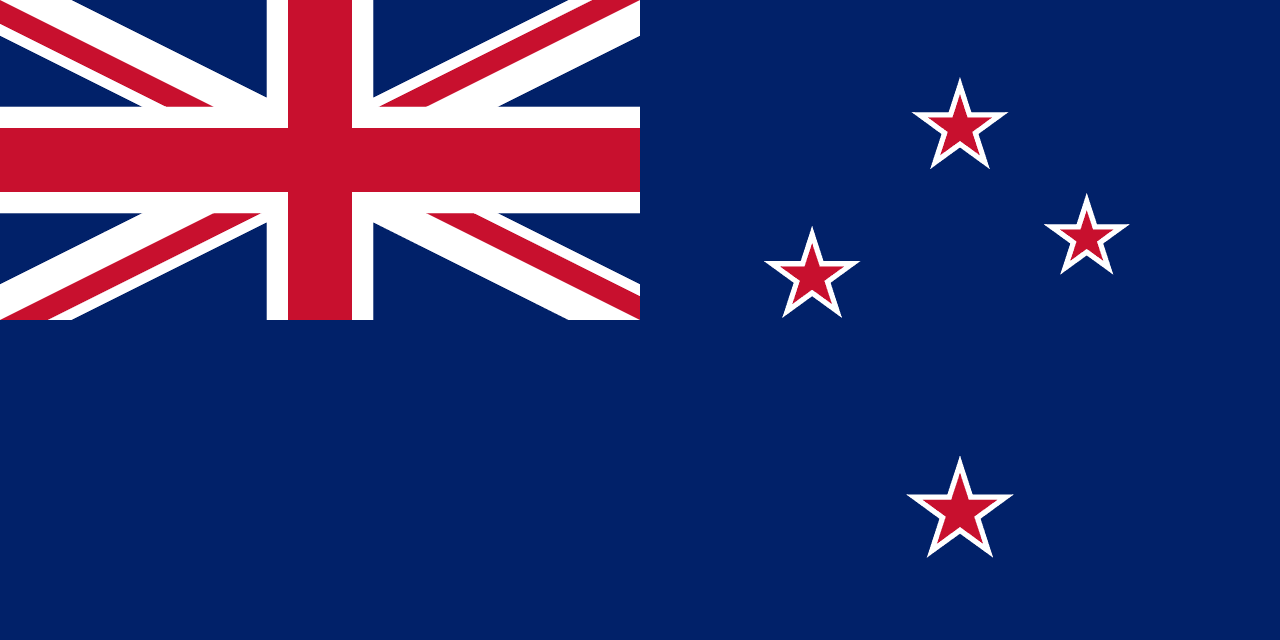
New Zealand
Oceania
A blue ensign with the Union Jack in the canton and four red five-pointed stars outlined in white representing the Southern Cross constellation, reflecting New Zealand's British heritage and Southern Hemisphere location.
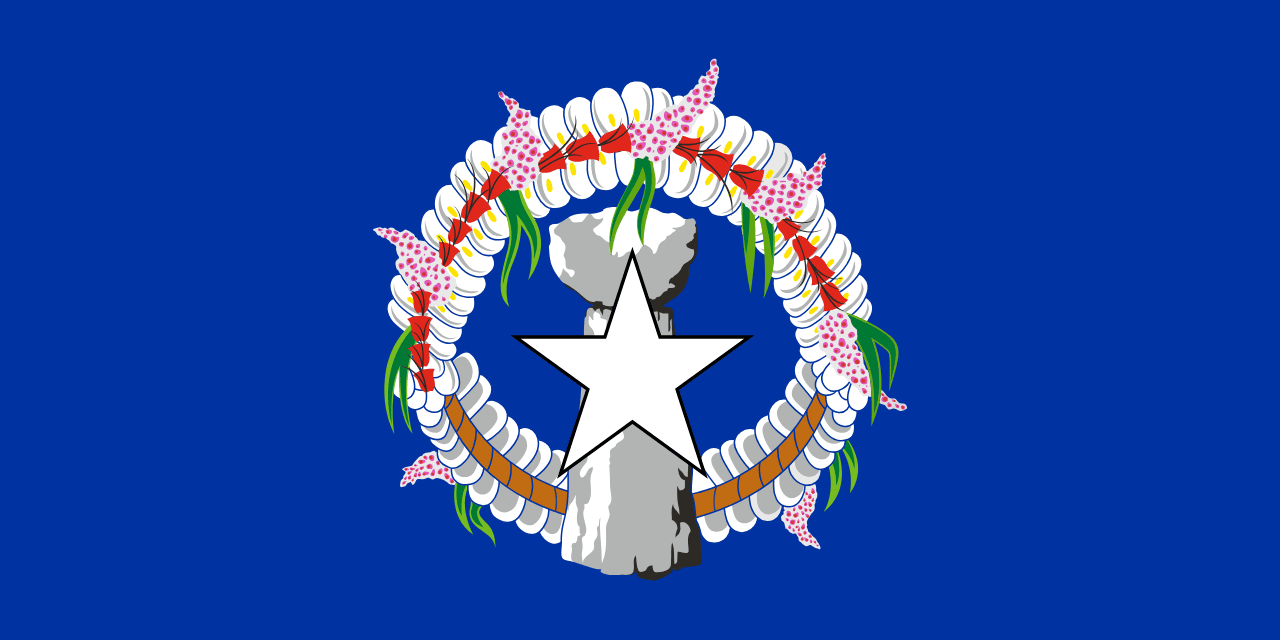
Northern Mariana Islands
Oceania
A blue field with a white star and gray latte stone behind it, surrounded by a decorative wreath. The flag represents the islands’ indigenous culture, U.S. affiliation, and Pacific identity.
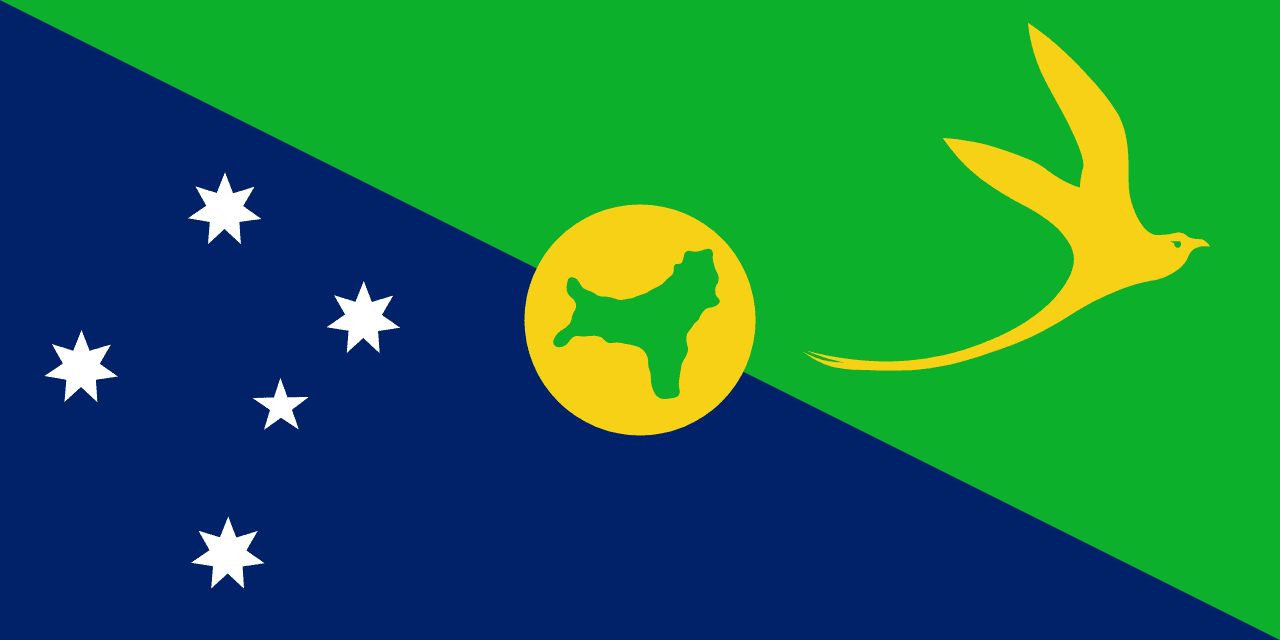
Christmas Island
Oceania
Green and blue field with Southern Cross constellation, golden bosun bird, and a circle representing the island.