Meanings, symbols, and stories behind national flags
A clear, classroom-friendly reference for the colors, icons, and history of world flags. Simple, accurate, and fast.




Browse by continent
Quickly filter to find a country's flag meaning.
All countries
Complete collection of flag meanings, symbolism, and history.
Afghanistan
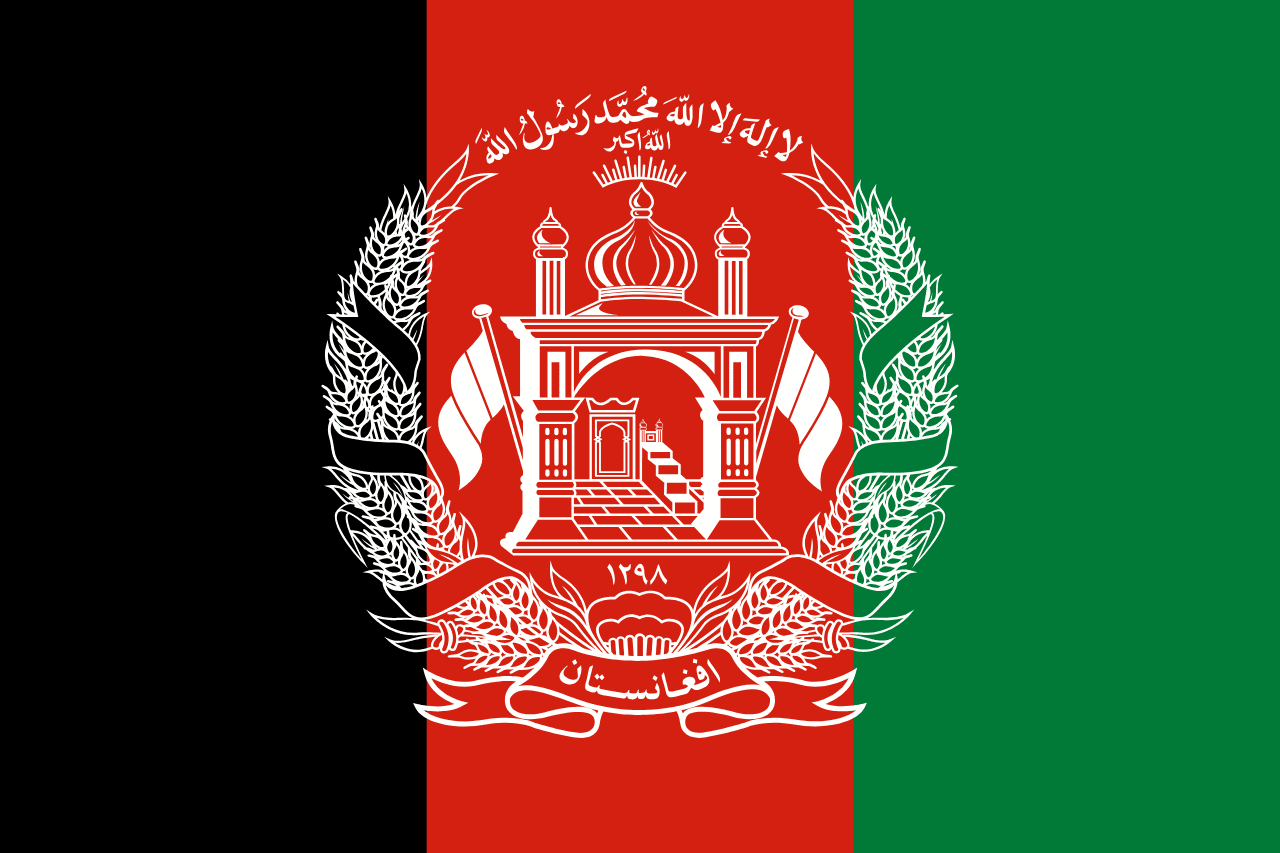
Few nations have worn their history so visibly upon their flags as Afghanistan. In just over a century, the country has cycled through more banners than any other modern state, each design mirroring the upheavals of power, ideology, and identity that have defined its story. The current flag, a stark white field bearing the Shahada in bold black script, was restored by the Taliban in 2021. To outsiders, its simplicity may appear severe, even austere. Yet within its minimal form lie deep layers of meaning: an assertion of faith, a claim to authority, and a conscious rejection of the ornate tricolors and emblems that preceded it. To understand this flag is to glimpse not only Afghanistan’s turbulent politics, but also the powerful role of religion, symbolism, and history in shaping its national identity.
- Adoption
- Adopted: 2021
- Continent
- Continent: Asia
Åland Islands
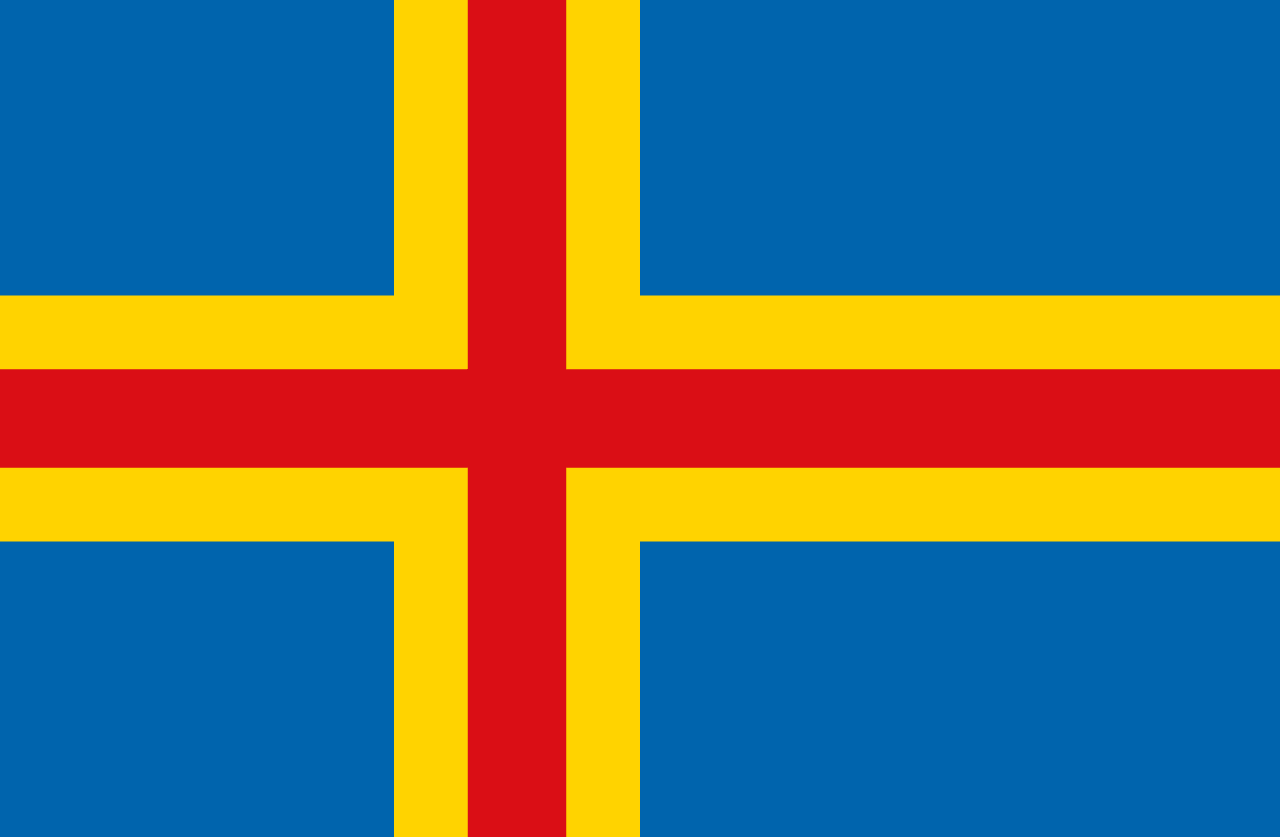
Tucked between Sweden and Finland, the Åland Islands possess a flag that tells the story of a small community balancing geography, culture, and politics. Adopted in 1954, the banner features a golden-bordered red cross set against a blue field, a striking fusion of Nordic tradition and local identity. Its design nods both to Finland, the sovereign state to which Åland belongs, and to Sweden, with which the islands share language and heritage. More than a decorative emblem, the flag is a quiet declaration of autonomy. It's a reminder that this archipelago, though small in population, carries a distinct voice within the Nordic world. To trace its colors and cross is to uncover a history of compromise, self-government, and the enduring importance of symbols in defining a people’s place.
- Adoption
- Adopted: 1954
- Continent
- Continent: Europe
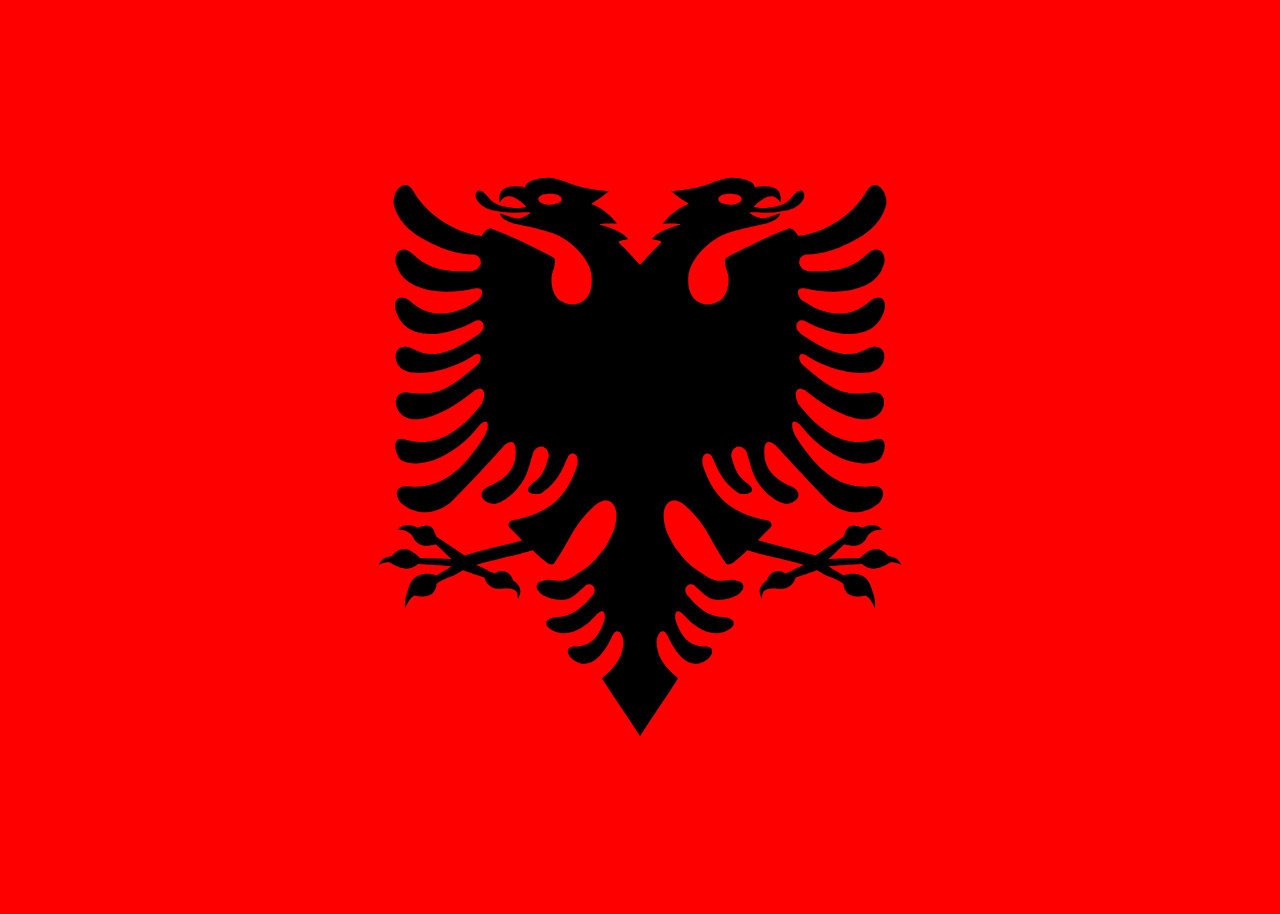
Albania
A red field with a black two-headed eagle, one of Europe's oldest heraldic symbols representing Albanian independence, strength, and the legacy of medieval hero Skanderbeg.
- Adoption
- Adopted: 1992
- Continent
- Continent: Europe
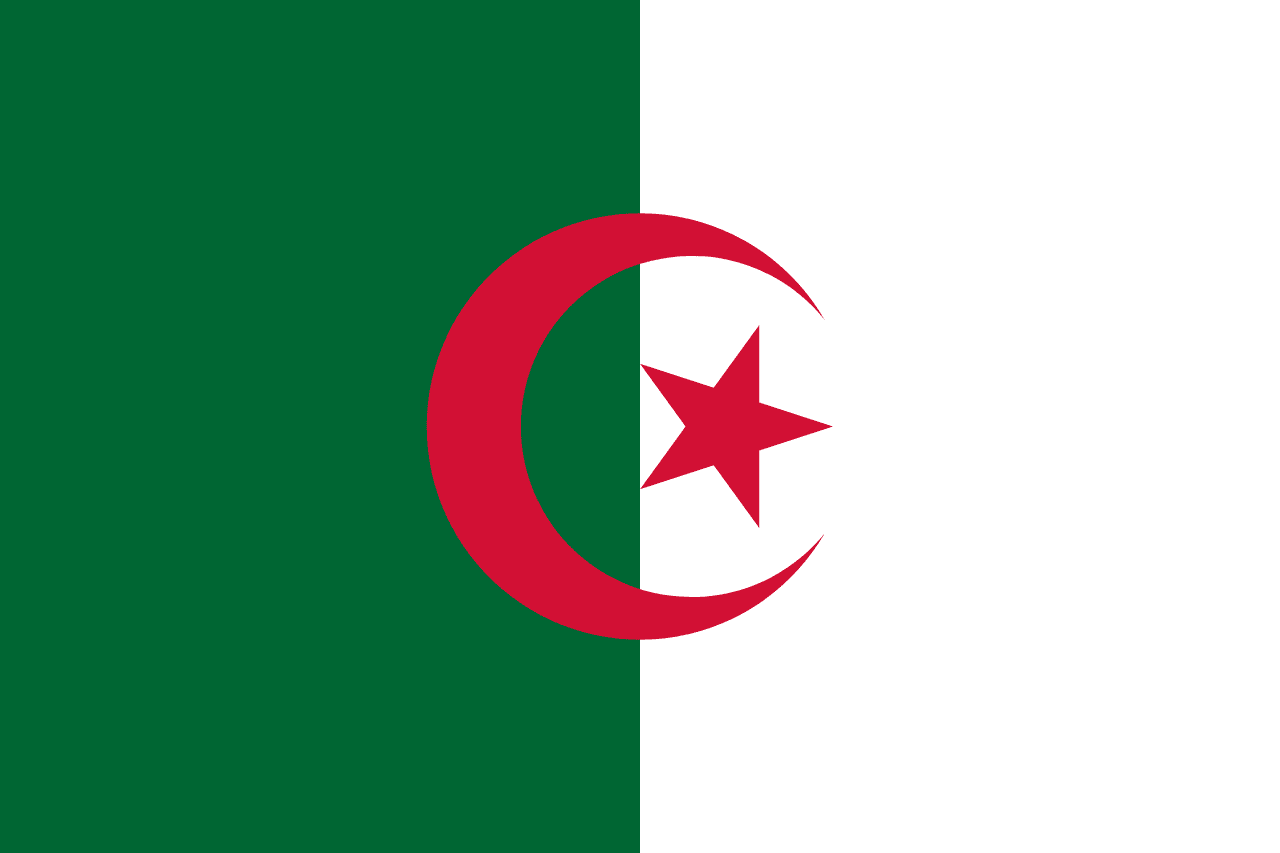
Algeria
Two equal vertical stripes of green and white with a red crescent and five-pointed star centered on the dividing line, representing Islam, peace, and the blood of martyrs who died for independence.
- Adoption
- Adopted: 1962
- Continent
- Continent: Africa
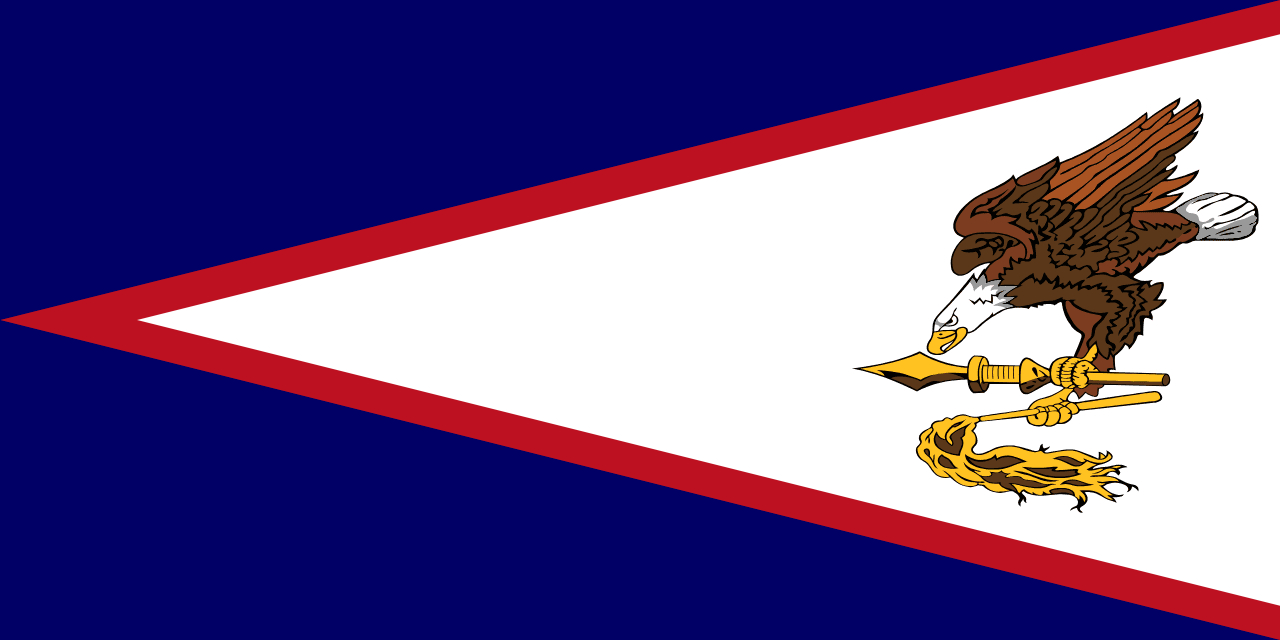
American Samoa
Red, white, and blue field featuring a bald eagle holding traditional Samoan symbols, representing the blend of American and Polynesian cultures.
- Adoption
- Adopted: 1960
- Continent
- Continent: Oceania
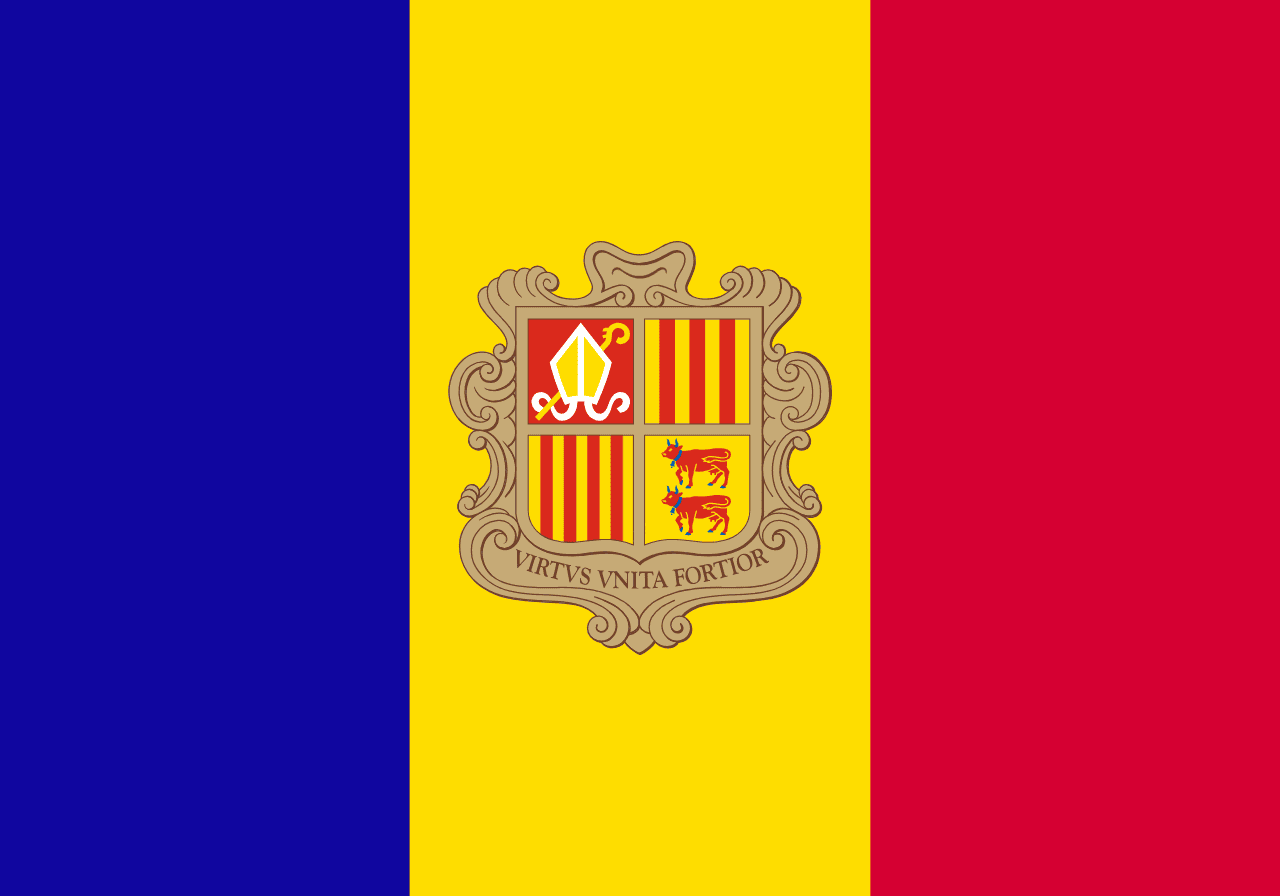
Andorra
Three vertical stripes of blue, yellow, and red with the coat of arms centered on the yellow stripe, representing France and Spain (the co-princes), the principality itself, and the unique dual sovereignty arrangement that has governed this small Pyrenean state for over 700 years.
- Adoption
- Adopted: 1866
- Continent
- Continent: Europe
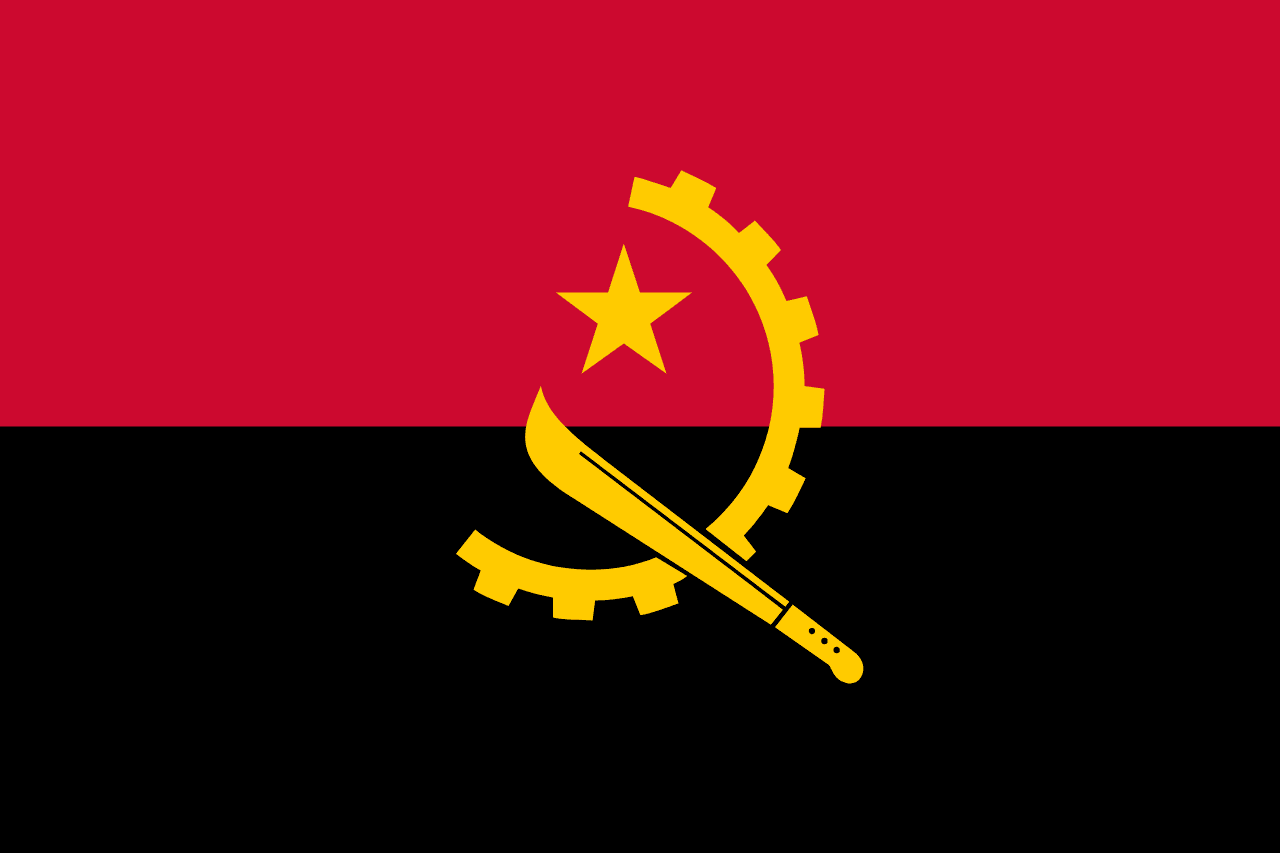
Angola
Two horizontal stripes of red and black with a yellow emblem in the center featuring a machete, star, and half gear wheel, representing the blood shed for independence, the African heritage, and the tools of liberation - agricultural work, socialism, and industrial progress.
- Adoption
- Adopted: 1975
- Continent
- Continent: Africa
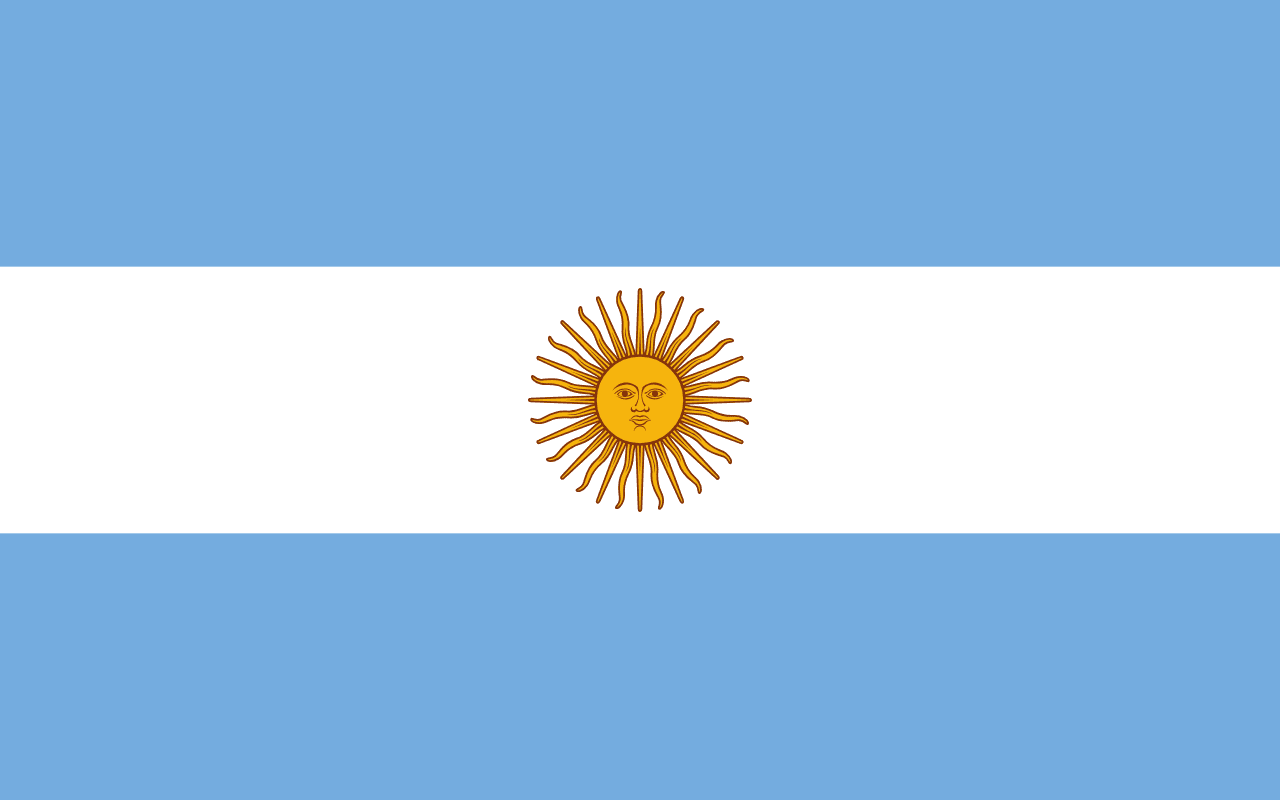
Argentina
Three horizontal stripes of light blue, white, and light blue with a golden sun (Sol de Mayo) in the center, created by Manuel Belgrano during the independence wars and representing the clear skies after the storm of Spanish rule, the snow-capped Andes mountains, and the May Revolution that began Argentina's path to freedom.
- Adoption
- Adopted: 1812
- Continent
- Continent: South America
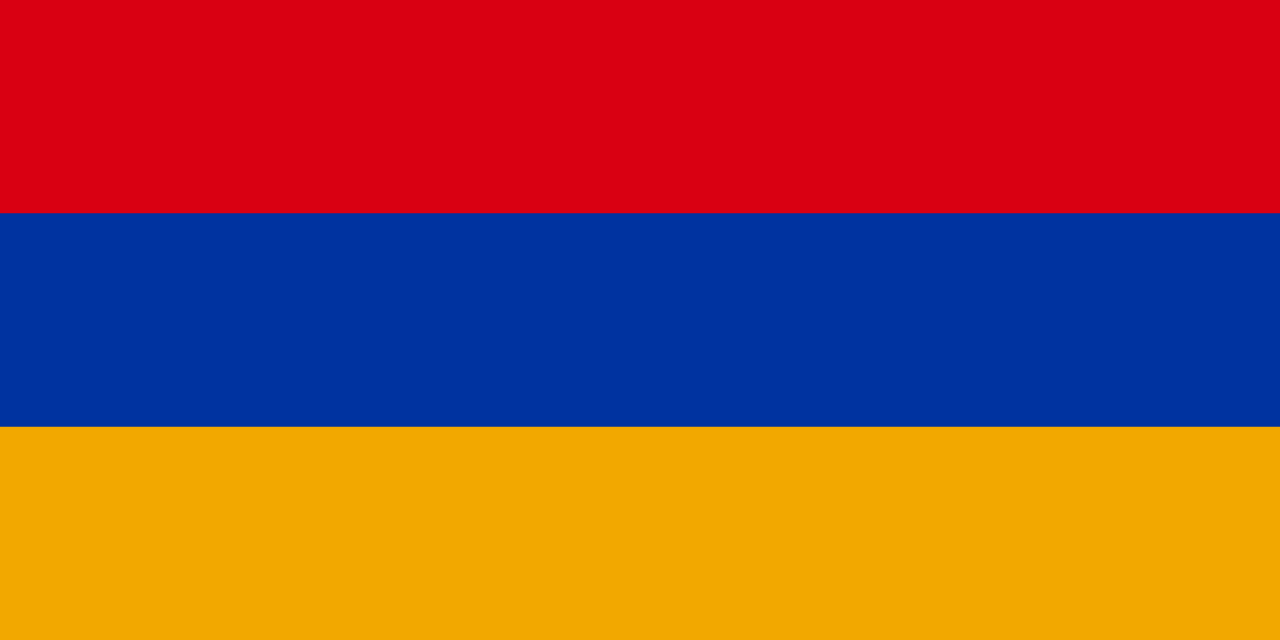
Armenia
Three horizontal stripes of red, blue, and orange (apricot), representing the blood shed for independence, the Armenian sky and hope for peace, and the fertile land and hardworking nature of the Armenian people, based on the flag of the First Republic of Armenia (1918-1920).
- Adoption
- Adopted: 1991
- Continent
- Continent: Asia
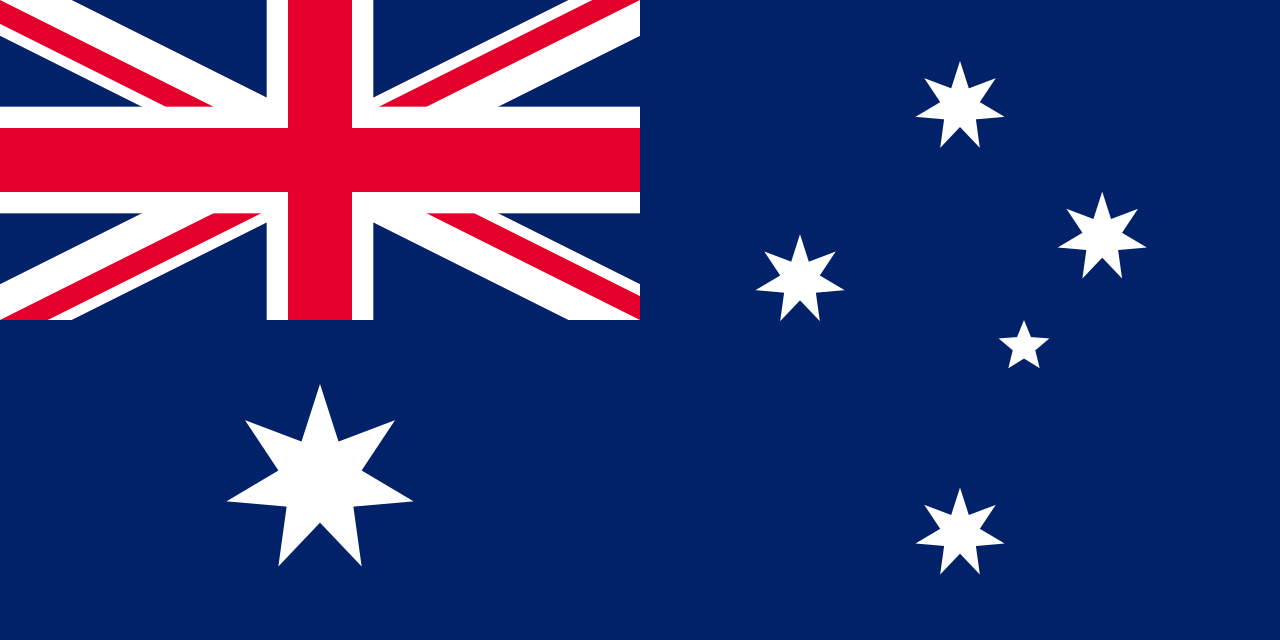
Australia
A blue ensign featuring the Union Jack in the canton and the Southern Cross constellation on the fly, with a large Commonwealth Star beneath the Union Jack, representing Australia's British heritage, its location in the Southern Hemisphere, and the federation of six colonies into one nation.
- Adoption
- Adopted: 1901
- Continent
- Continent: Oceania
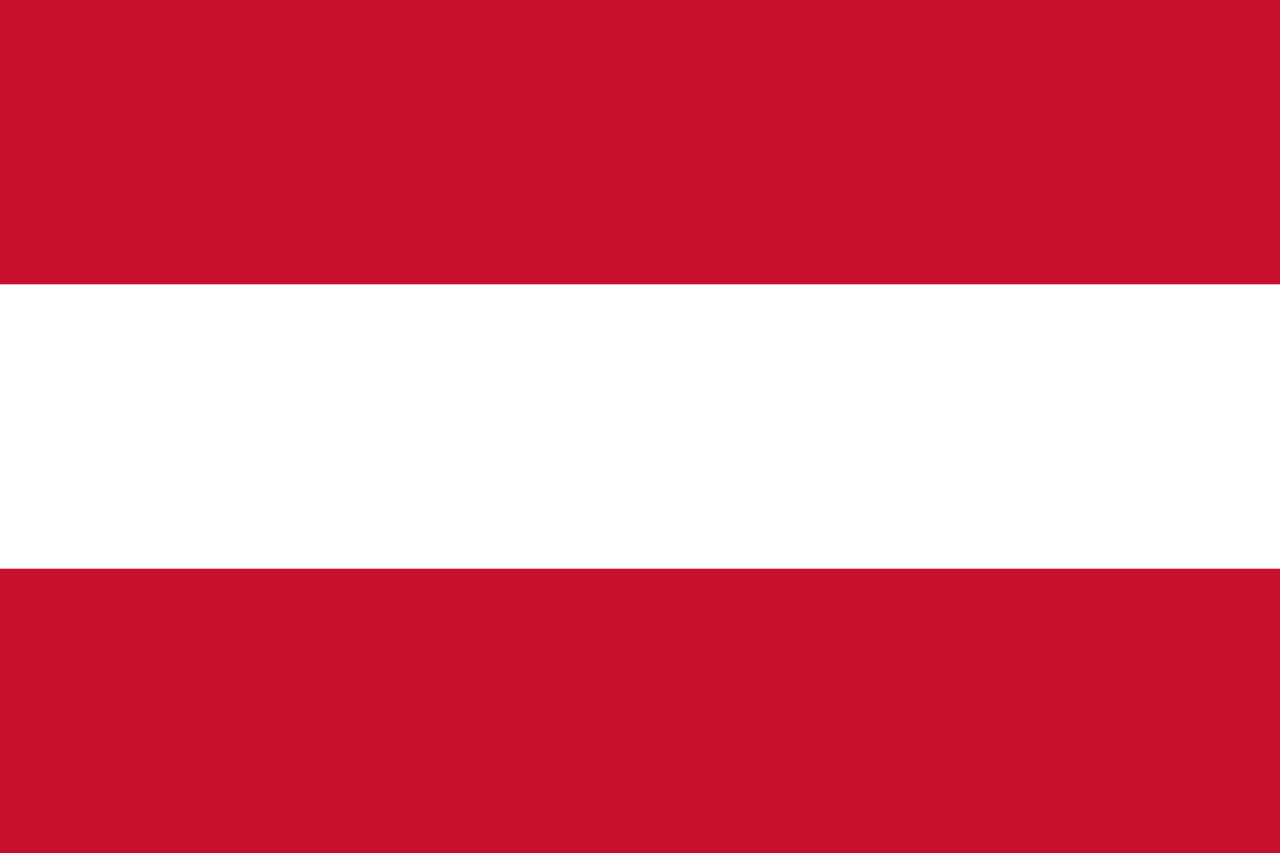
Austria
Three horizontal stripes of red, white, and red, representing one of the world's oldest national flag designs, allegedly inspired by Duke Leopold V's blood-stained white surcoat after the Battle of Acre in 1191, and symbolizing the courage, honesty, and strength of the Austrian people.
- Adoption
- Adopted: 1945
- Continent
- Continent: Europe
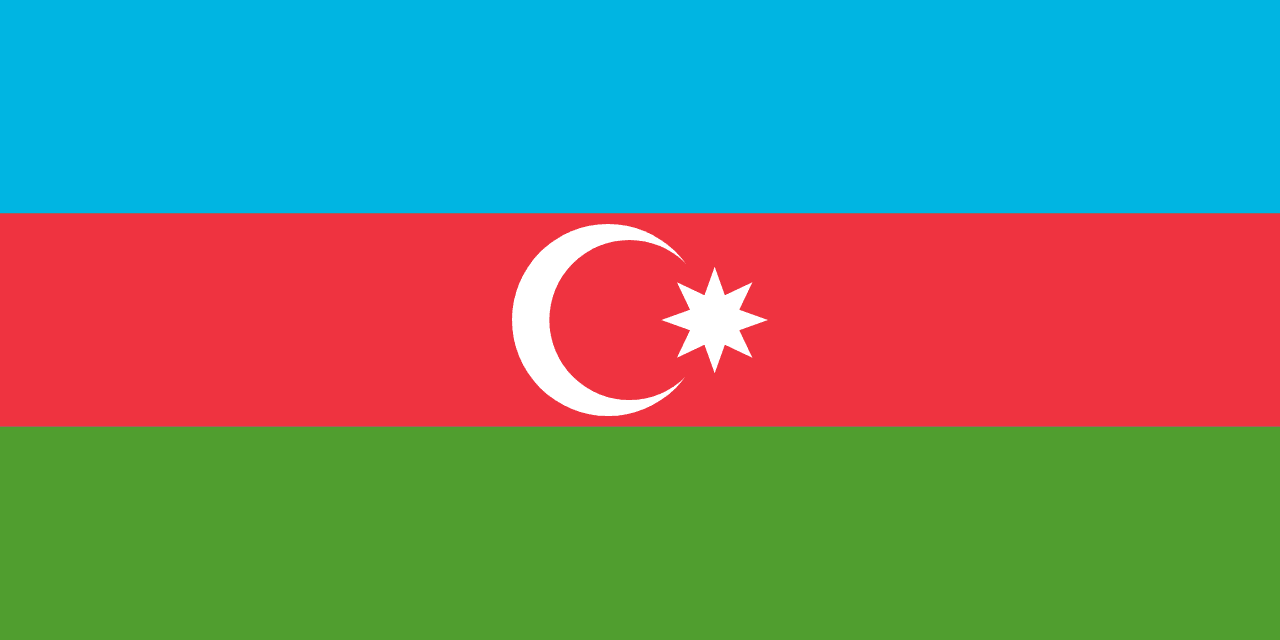
Azerbaijan
Three horizontal stripes of blue, red, and green with a white crescent and eight-pointed star in the center, representing Turkic heritage, modernity and progress, Islamic tradition, and the eight branches of the Turkic peoples, designed during the brief independence period of 1918-1920.
- Adoption
- Adopted: 1991
- Continent
- Continent: Asia
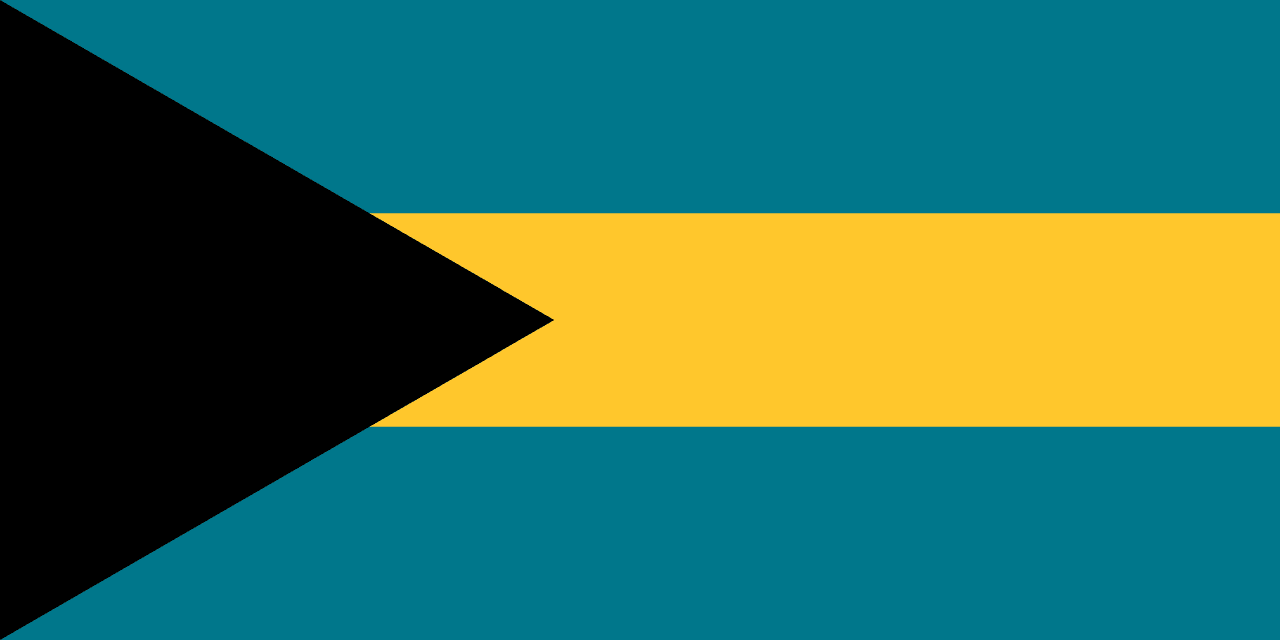
Bahamas
Three horizontal stripes of aquamarine, gold, and aquamarine with a black equilateral triangle at the hoist, representing the waters surrounding the islands, the golden beaches and sunshine, and the strength and determination of the Bahamian people united in their love for their homeland.
- Adoption
- Adopted: 1973
- Continent
- Continent: North America
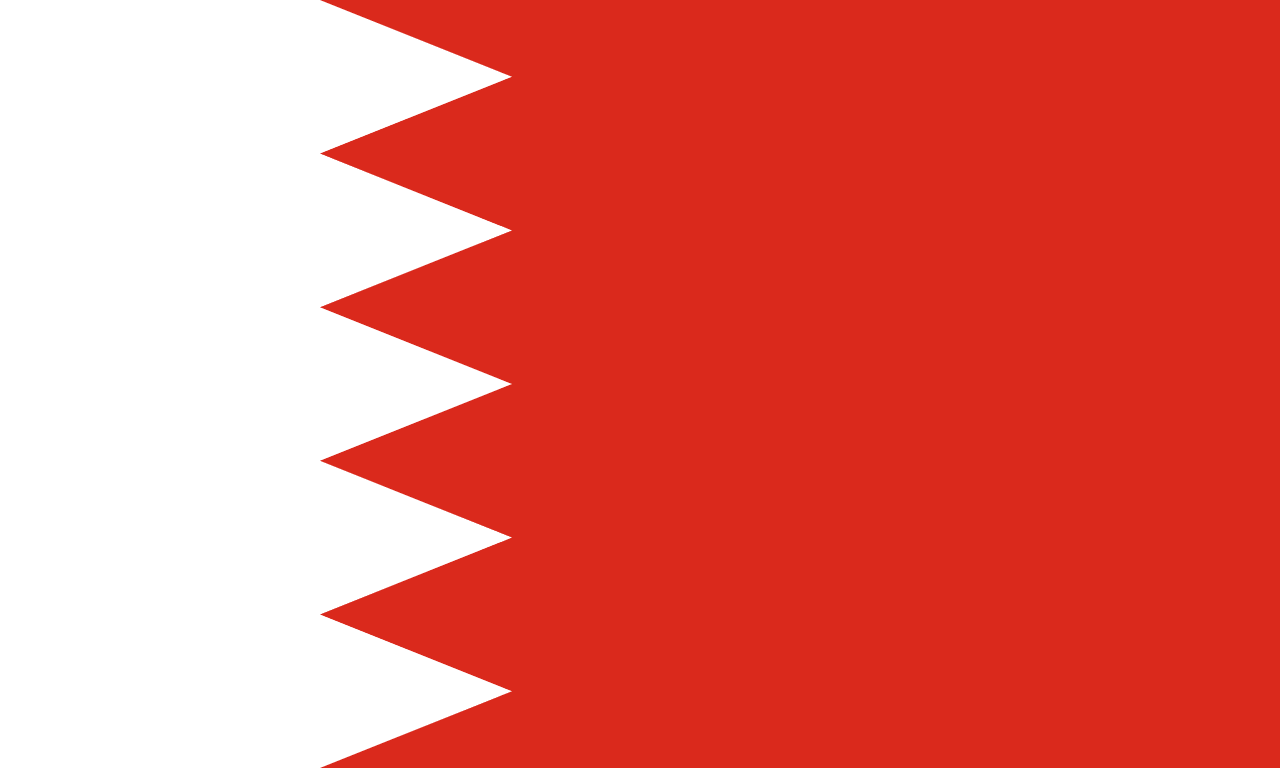
Bahrain
A white band on the hoist side separated from a red field by a serrated line with five triangular points, representing peace and the five pillars of Islam, while the red represents the Kharijite sect of Islam that historically dominated the region.
- Adoption
- Adopted: 2002
- Continent
- Continent: Asia
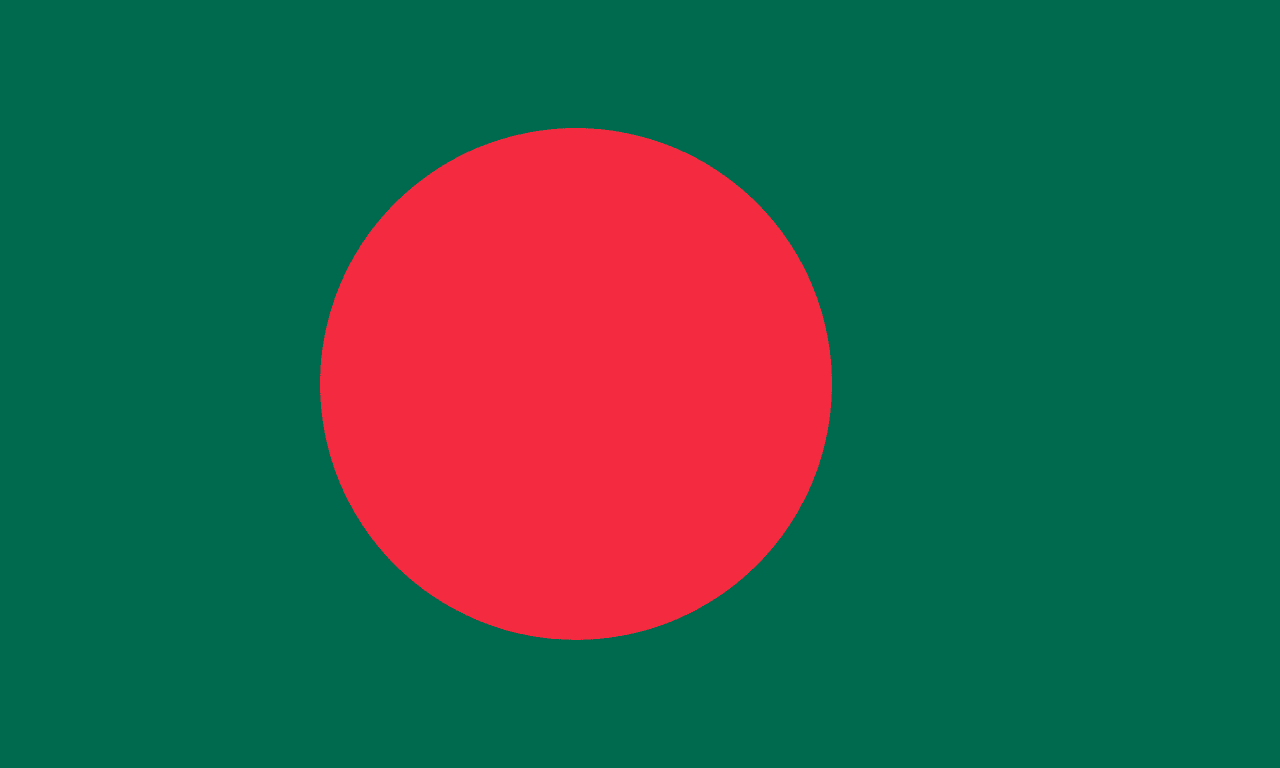
Bangladesh
A dark green field with a red circle positioned slightly toward the hoist side, representing the lush Bengali landscape and the sun rising over Bengal, as well as the blood shed during the Liberation War of 1971 and the new dawn of independence.
- Adoption
- Adopted: 1972
- Continent
- Continent: Asia
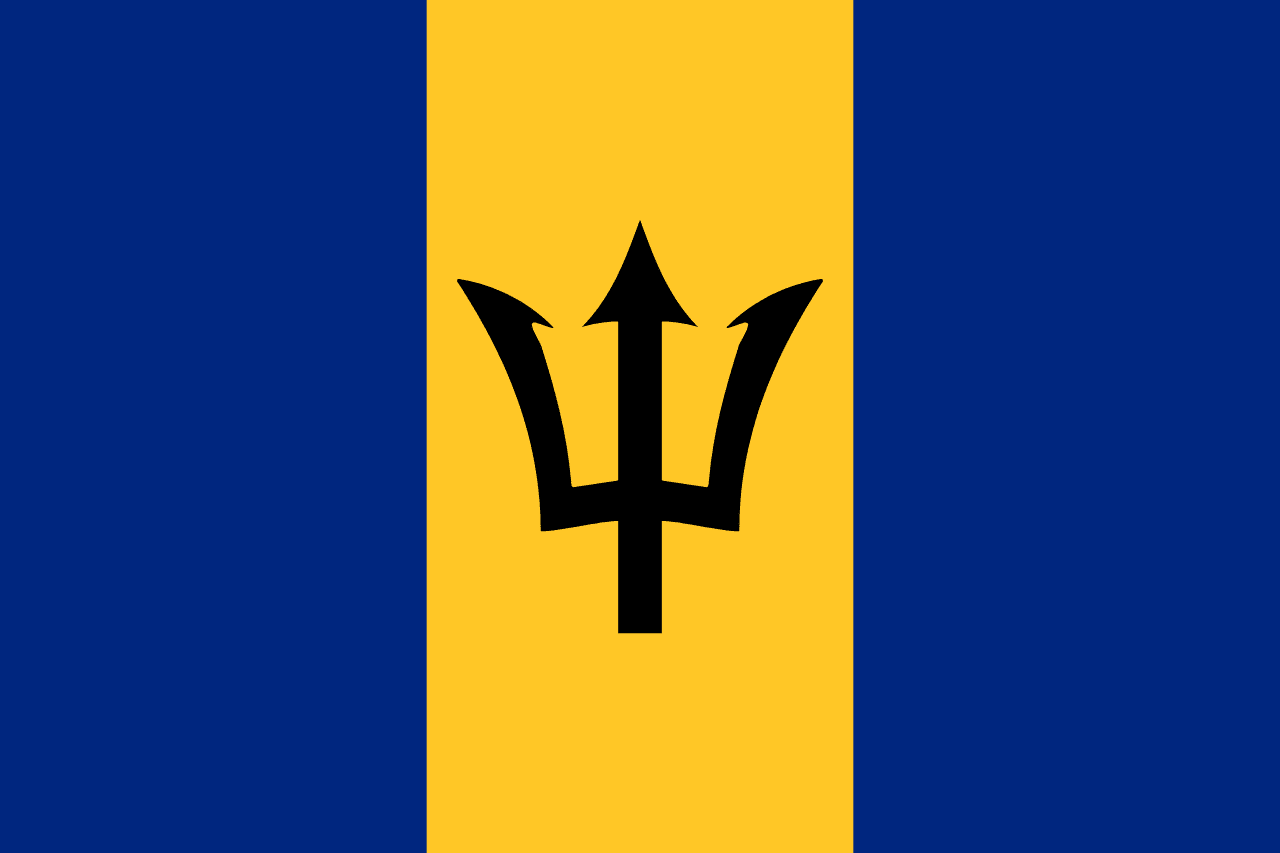
Barbados
Three vertical stripes of ultramarine blue, gold, and ultramarine blue with a black trident head (broken from its staff) in the center golden stripe, representing the sea surrounding the island, the golden sands of its beaches, and the break from colonial dependence on Neptune's trident symbol.
- Adoption
- Adopted: 1966
- Continent
- Continent: North America
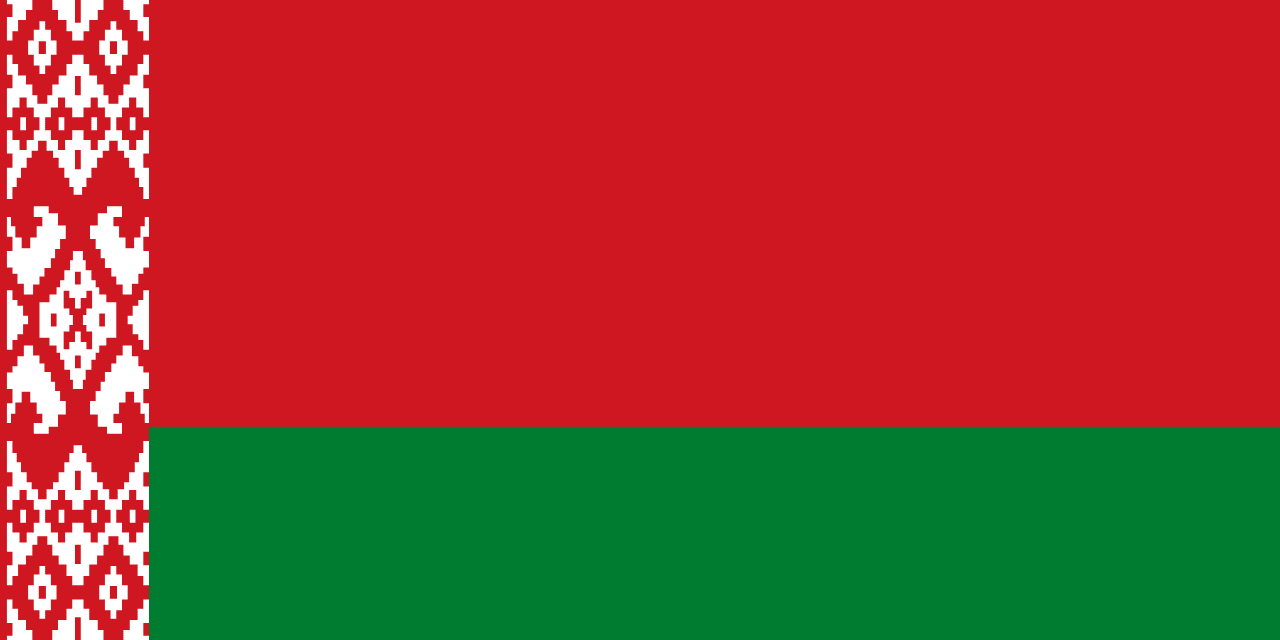
Belarus
A red horizontal stripe over a green stripe with a traditional red and white ornamental pattern on the hoist side, representing the historical heritage of Belarus, its forests and agriculture, and the decorative folk art traditions that define Belarusian cultural identity.
- Adoption
- Adopted: 1995
- Continent
- Continent: Europe
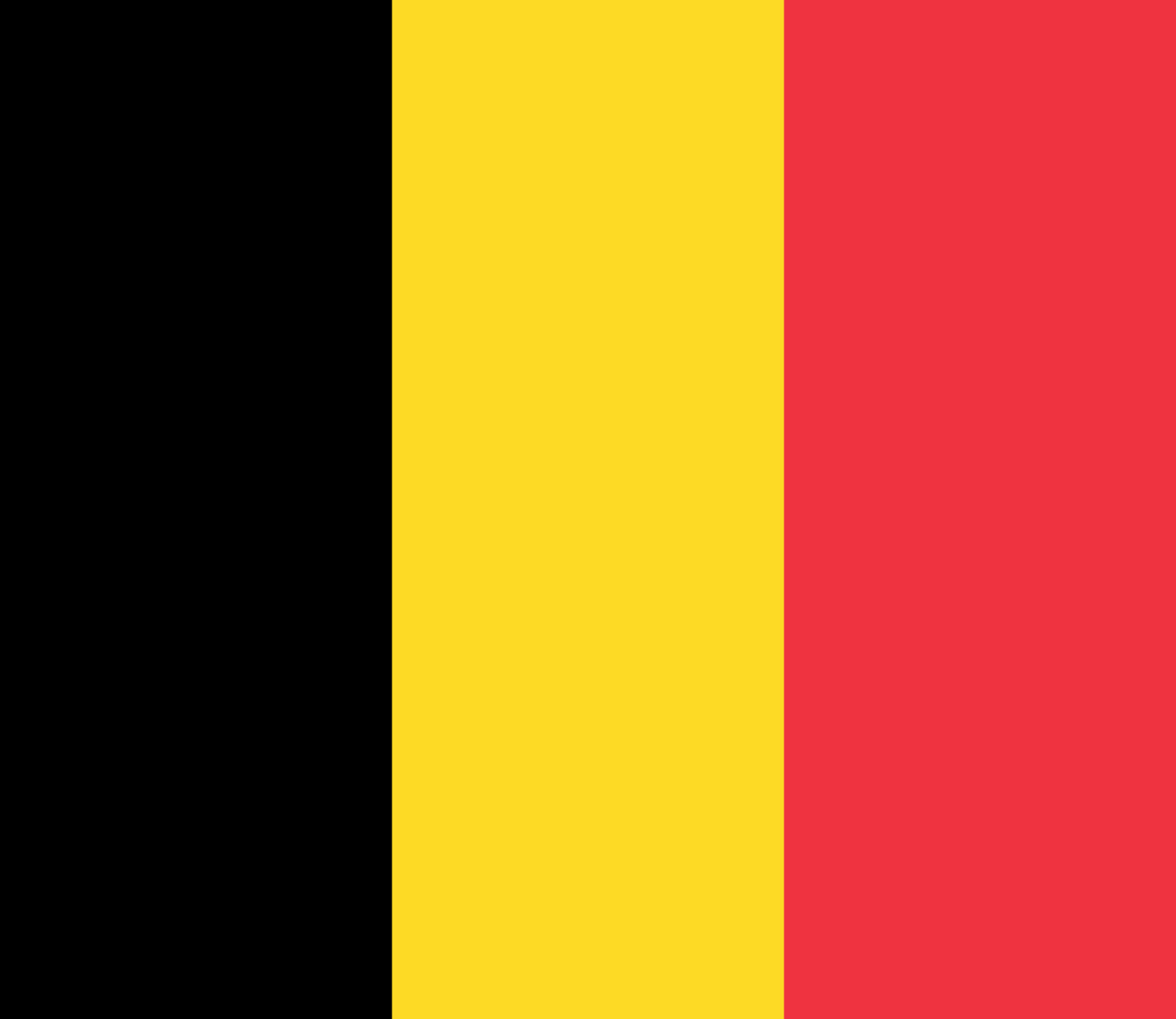
Belgium
Three vertical stripes of black, yellow, and red derived from the coat of arms of the Duchy of Brabant, adopted during Belgium's independence revolution and representing the nation's determination, generosity, and sacrifice.
- Adoption
- Adopted: 1831
- Continent
- Continent: Europe
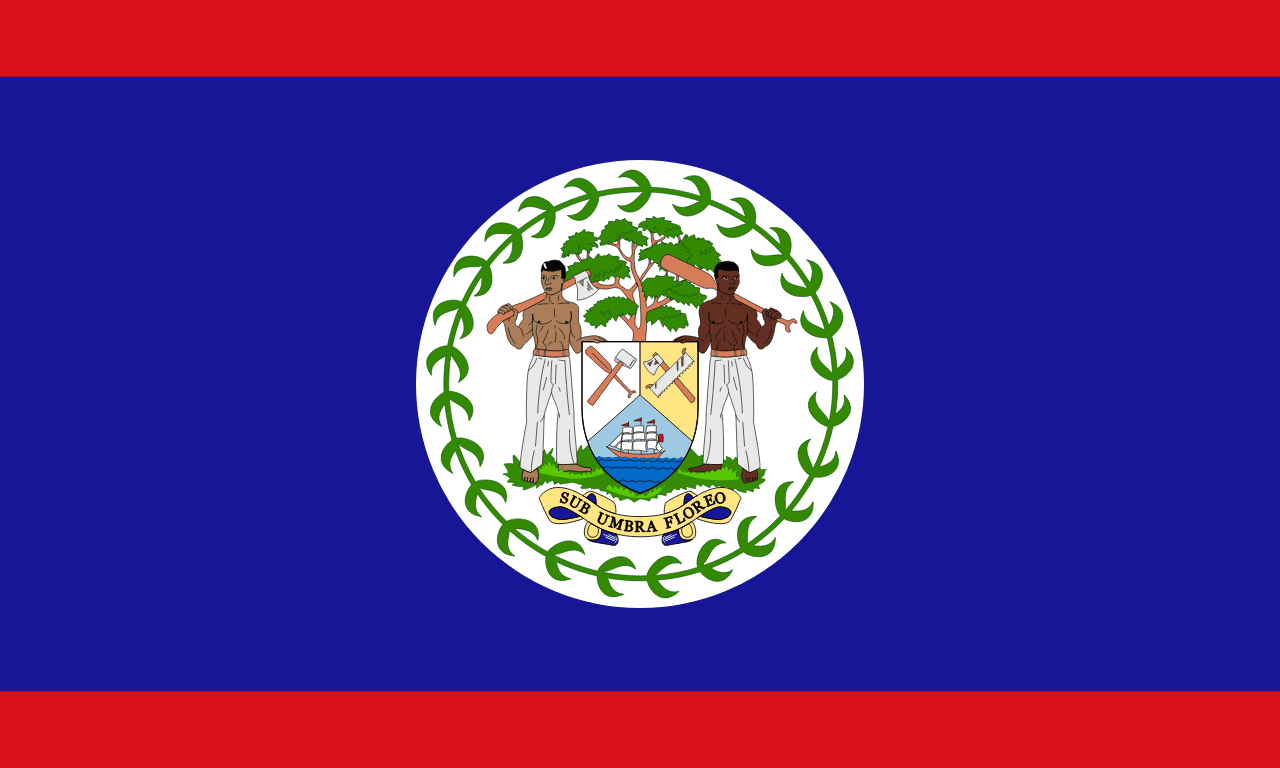
Belize
A blue field with red stripes along the top and bottom edges and the national coat of arms in a white circle at the center, representing the ruling People's United Party, the opposition United Democratic Party, and the peace that unites them, making it the only national flag to feature human figures.
- Adoption
- Adopted: 1981
- Continent
- Continent: North America
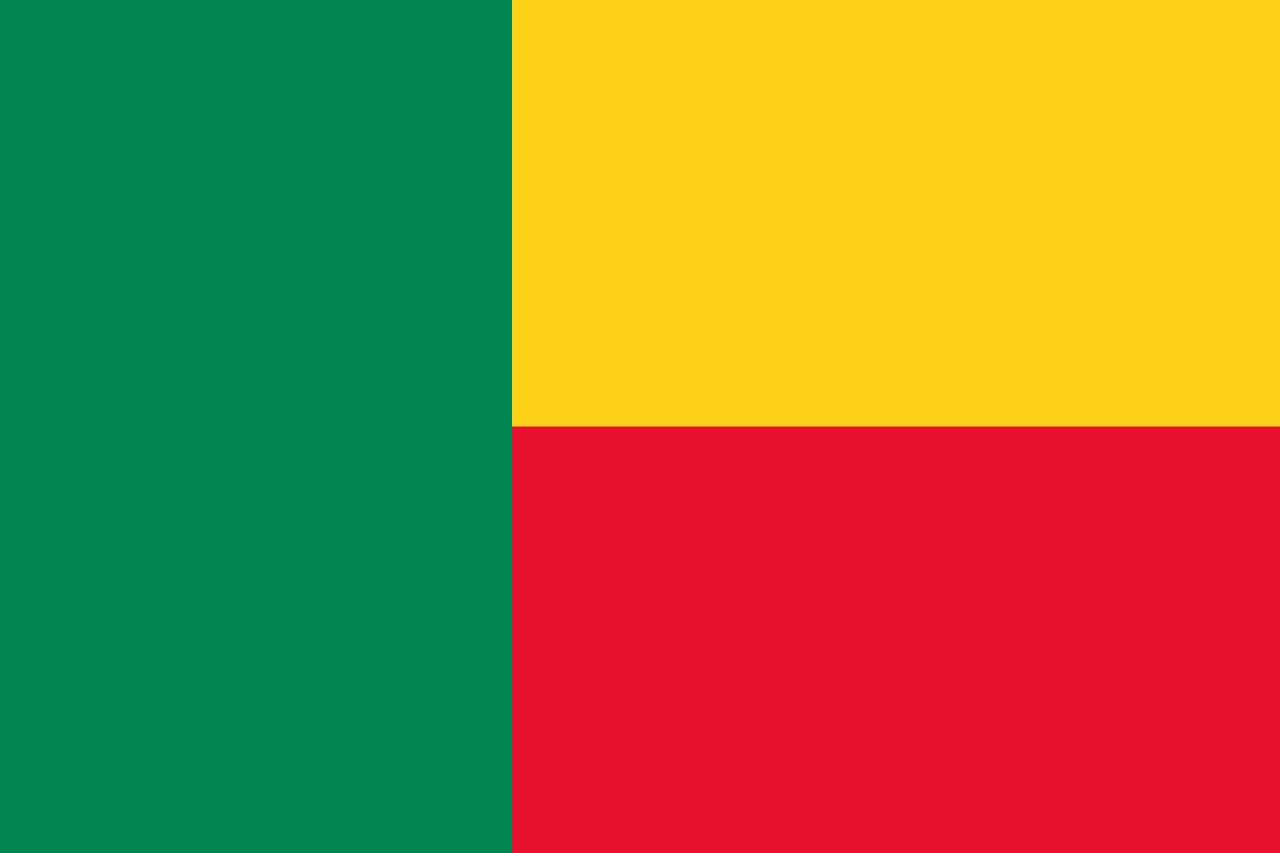
Benin
A vertical green stripe on the hoist side with horizontal yellow and red stripes on the fly side, representing the forests and hope of the nation, the savannah and mineral wealth, and the courage and blood of the ancestors, using the Pan-African colors that symbolize African unity and liberation.
- Adoption
- Adopted: 1990
- Continent
- Continent: Africa
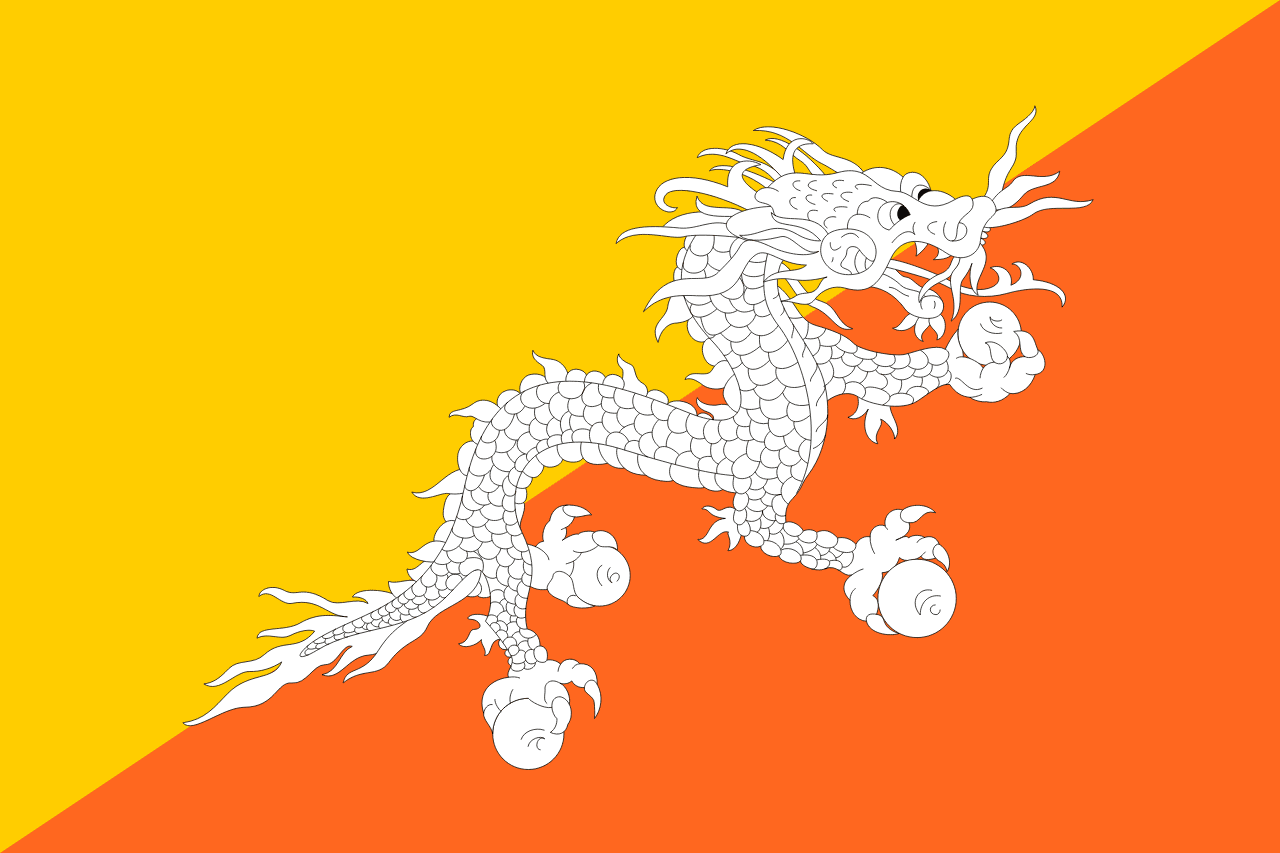
Bhutan
Divided diagonally with orange in the upper triangle and yellow in the lower triangle, featuring a white dragon (Druk) in the center holding jewels in its claws, representing the spiritual and temporal power of Bhutan and the Thunder Dragon that gives the country its name 'Land of the Thunder Dragon.'
- Adoption
- Adopted: 1969
- Continent
- Continent: Asia
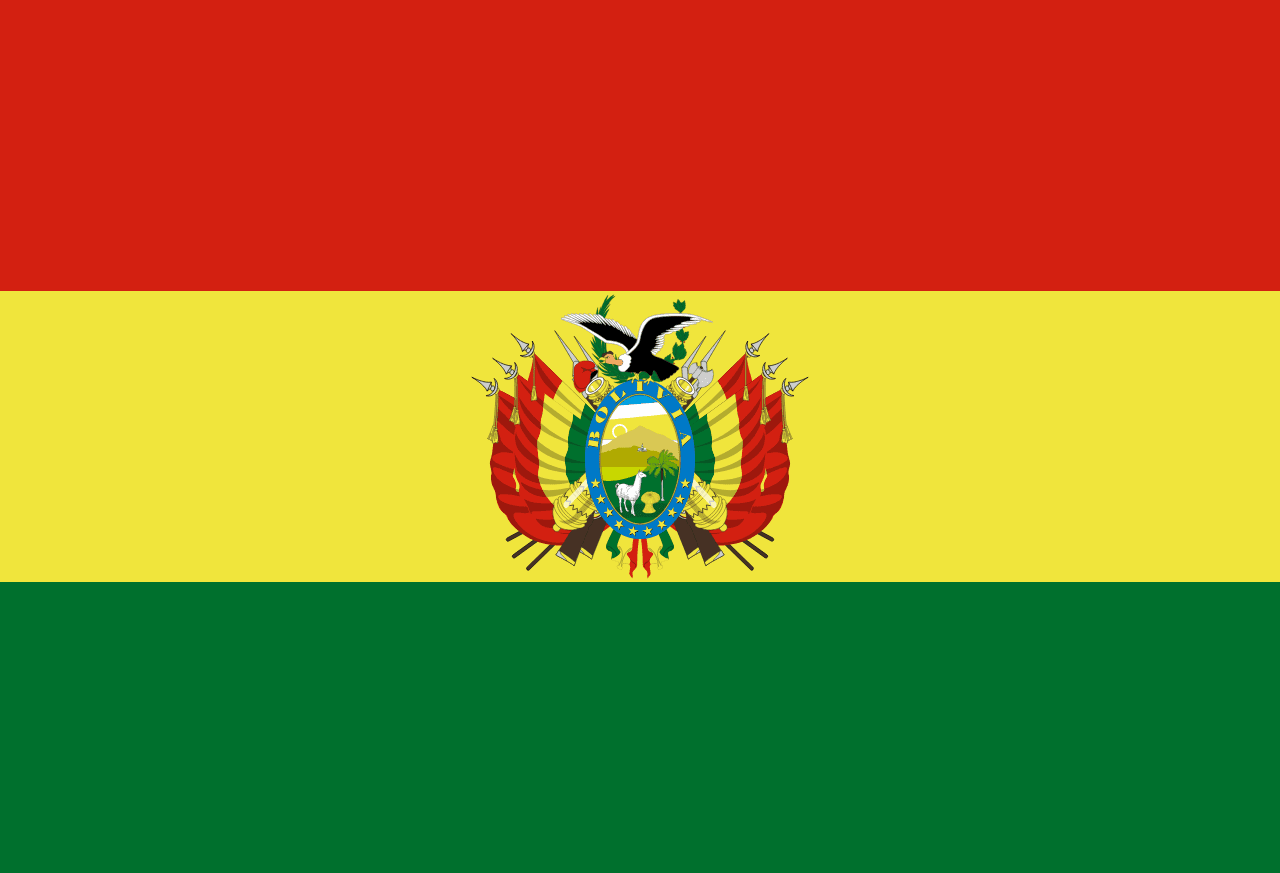
Bolivia
Three horizontal stripes of red, yellow, and blue, with the national coat of arms centered on the yellow stripe in the state flag, representing the valor of the army, the mineral wealth of the nation, and the sky and sea that Bolivia once possessed before losing its coastline to Chile.
- Adoption
- Adopted: 1851
- Continent
- Continent: South America
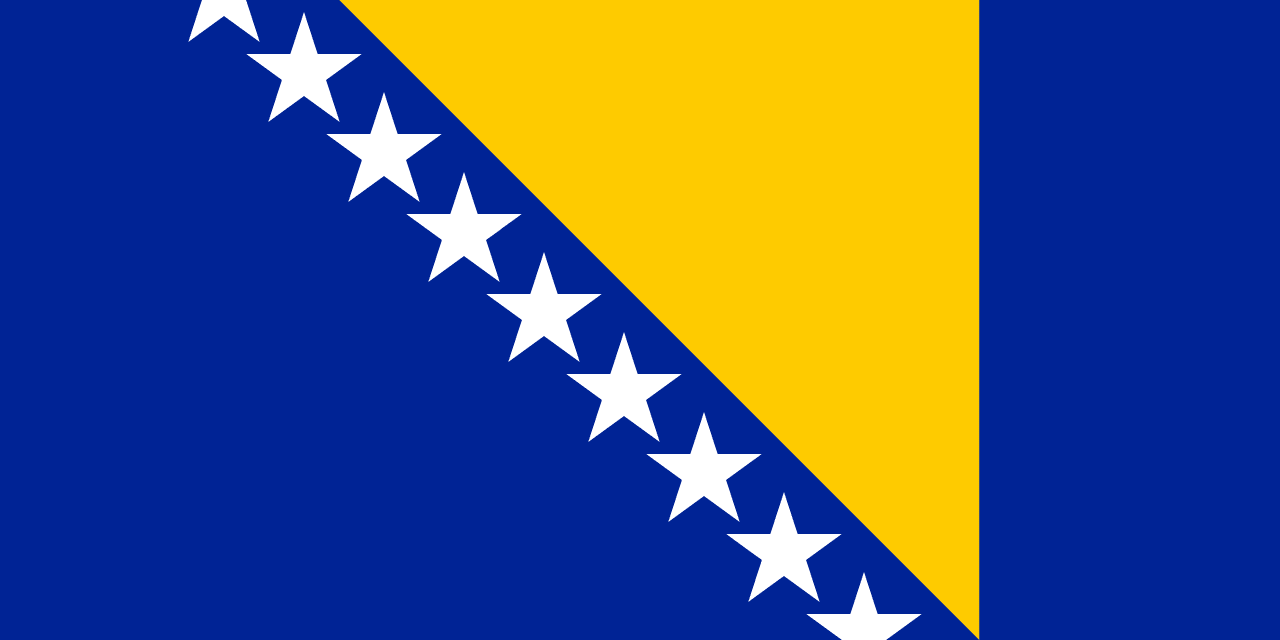
Bosnia and Herzegovina
A blue field with a yellow triangle along the hoist and a line of white stars along the triangle's hypotenuse, designed to be ethnically neutral and represent the country's European aspirations while avoiding symbols associated with any particular ethnic group.
- Adoption
- Adopted: 1998
- Continent
- Continent: Europe
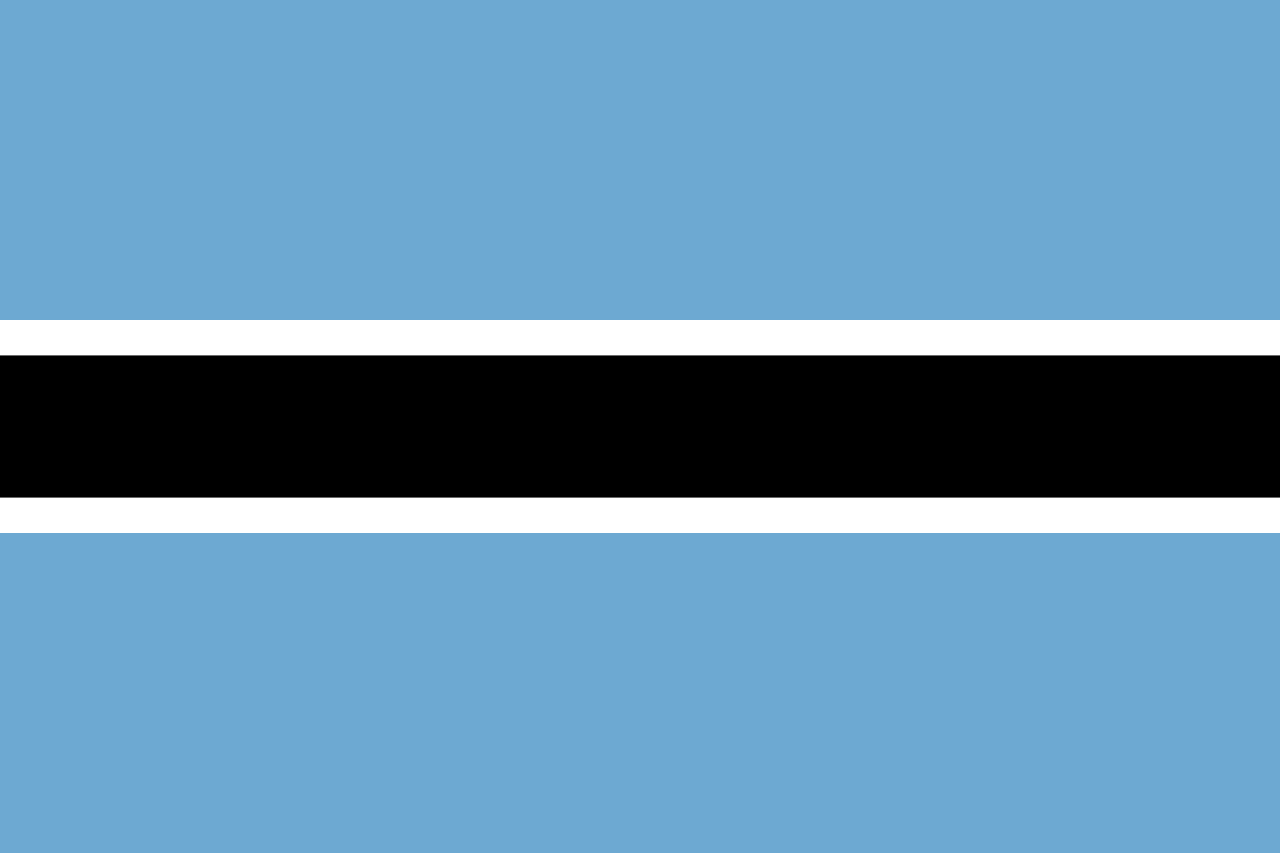
Botswana
Light blue field with a central black horizontal stripe bordered by thin white stripes, representing the life-giving rains, racial harmony, and the zebra that symbolizes the coexistence of black and white people in peace.
- Adoption
- Adopted: 1966
- Continent
- Continent: Africa
Explainers
Evergreen articles that clarify colors, symbols, and etiquette.
Flag Colors and What They Mean
A quick guide to common color symbolism across nations.
Common Symbols on Flags
Stars, crescents, crosses and their traditional meanings.
History of National Flags
From heraldry to modern national identity.
Flag Etiquette: How to Display a Flag
Respectful handling and display basics for any flag.
Resources
Trusted shops, books, and printable learning packs.
Where to Buy Quality Flags
Curated list of reputable retailers with country, size, and fabric filters.
Open guideBest Books About Flags
Hand-picked references for classrooms and enthusiasts.
See the listPrintable Flag Flashcards
A 50-card PDF set with country, capital, and flag on each card.
DownloadTeacher Toolkit
Free lesson outline plus a premium classroom poster pack.
ExploreGet new country profiles and teacher resources
Monthly, no spam. We'll send you printable worksheets and updates to new flag explainers.