England Flag Meaning
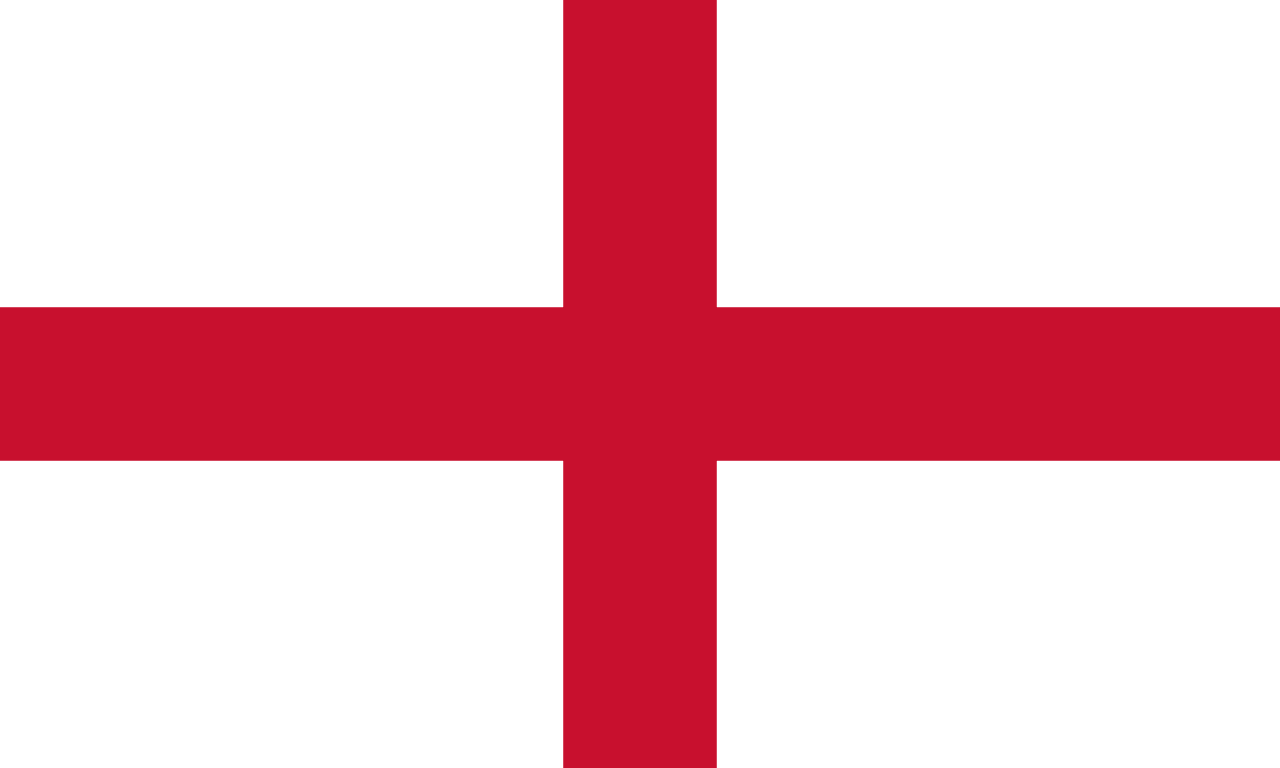
A red cross on a white field, known as the St. George's Cross, representing England's patron saint and Christian heritage, adopted during the medieval Crusades and remaining the national flag of England within the United Kingdom.
- Continent
- Europe
- Adopted
- 1190
- Ratio
- 3:5
- Colors
- red, white
- Designer
- Unknown
Symbolism
- Red Cross (St. George's Cross)
- Represents St. George, the patron saint of England since the 14th century, symbolizing courage, chivalry, and the Christian faith. The cross design was adopted by English crusaders and became associated with English national identity.
- White Field
- Represents purity, peace, and honesty, serving as the background that allows the red cross to stand prominently as a symbol of faith and national pride.
- Overall Design
- The simple, bold design reflects England's medieval military heritage and Christian identity, with the flag serving as a unifying symbol for English culture, tradition, and national consciousness.
History
- Pre-1066: Anglo-Saxon kingdoms used various banners and standards, including the White Dragon of the West Saxons and other regional symbols, before the Norman Conquest unified England under new heraldic traditions.
- 1066-1189: The Norman Conquest brought new heraldic traditions to England. Early Plantagenet kings used various symbols, including lions, but no unified national flag existed during this period.
- 1190s: The St. George's Cross was adopted by English crusaders during the Third Crusade under Richard I (the Lionheart), becoming associated with English military forces and Christian identity in the Holy Land.
- 1277-1348: St. George became increasingly associated with England, with Edward I promoting the saint's cult. The cross was used on military banners and gradually became recognized as an English national symbol.
- 1348-1603: Edward III established the Order of the Garter under St. George's patronage. The flag became firmly established as England's national symbol through the medieval and Tudor periods, used in battles from Agincourt to the Spanish Armada.
- 1603-1707: The Union of Crowns under James I/VI saw the creation of early Union Flags combining English and Scottish symbols, though the St. George's Cross remained England's distinct national flag.
- 1707-1800: The Act of Union created the Kingdom of Great Britain and the first official Union Flag, incorporating the St. George's Cross with Scotland's St. Andrew's Cross, though England retained its separate identity.
- 1800-1922: The Union with Ireland created the modern Union Jack, incorporating St. Patrick's Cross. The St. George's Cross continued as England's national flag within the United Kingdom framework.
- 1922-Present: Following Irish independence, the St. George's Cross remains England's national flag, widely used in sports, cultural events, and as a symbol of English identity within the modern United Kingdom and Commonwealth.
Trivia
- St. George, England's patron saint, was actually from Cappadocia (modern-day Turkey) and never visited England, but became associated with the country through the Crusades.
- The St. George's Cross forms the central element of the Union Jack, representing England within the United Kingdom alongside Scotland's St. Andrew's Cross and Ireland's St. Patrick's Cross.
- St. George's Day is celebrated on April 23rd, the same date as William Shakespeare's birth and death, making it a doubly significant day for English culture.
- The flag is prominently displayed during England football matches, with fans creating a 'sea of red and white' that has become iconic in international sports.
- The Cross of St. George appears on several other flags including those of Georgia (the country), Barcelona, and various English cities and counties that claim St. George as their patron.
- During the English Civil War (1642-1651), both Royalists and Parliamentarians used variations of the St. George's Cross, highlighting its importance across political divides.
- The flag was carried by English explorers and colonists around the world, influencing the designs of many Commonwealth and former colonial flags and symbols.
- In medieval times, soldiers wore the red cross on white as a distinguishing mark in battle, making it one of the earliest examples of military uniform identification.
- The Church of England has over 16,000 parishes, many of which display the St. George's Cross, maintaining the flag's connection to English Christianity and community life.
- The flag gained renewed prominence during the 1996 European Football Championships held in England, when it became a symbol of national pride and sporting achievement.
- Many English pubs are named 'The George' or 'The George and Dragon' in honor of St. George, often displaying the flag and maintaining centuries-old traditions.
- The St. George's Cross is one of the oldest continuously used national symbols in the world, with over 800 years of unbroken association with England.
- The flag appears on the White Ensign of the Royal Navy, where it occupies the canton (upper left corner) on a white field with a red cross throughout.
- During the COVID-19 pandemic, the flag was displayed to honor healthcare workers and maintain community spirit, showing its continued relevance in modern times.
- The red and white colors have inspired countless English sports teams, from football clubs to county cricket teams, making the flag colors instantly recognizable in sporting contexts.
- Unlike many national flags, the St. George's Cross has never been officially adopted by an Act of Parliament, instead gaining its status through centuries of traditional use and royal recognition.
Related Countries

France
Europe
Revolutionary tricolor symbolizing liberty, equality, and fraternity.
Isle of Man
Europe
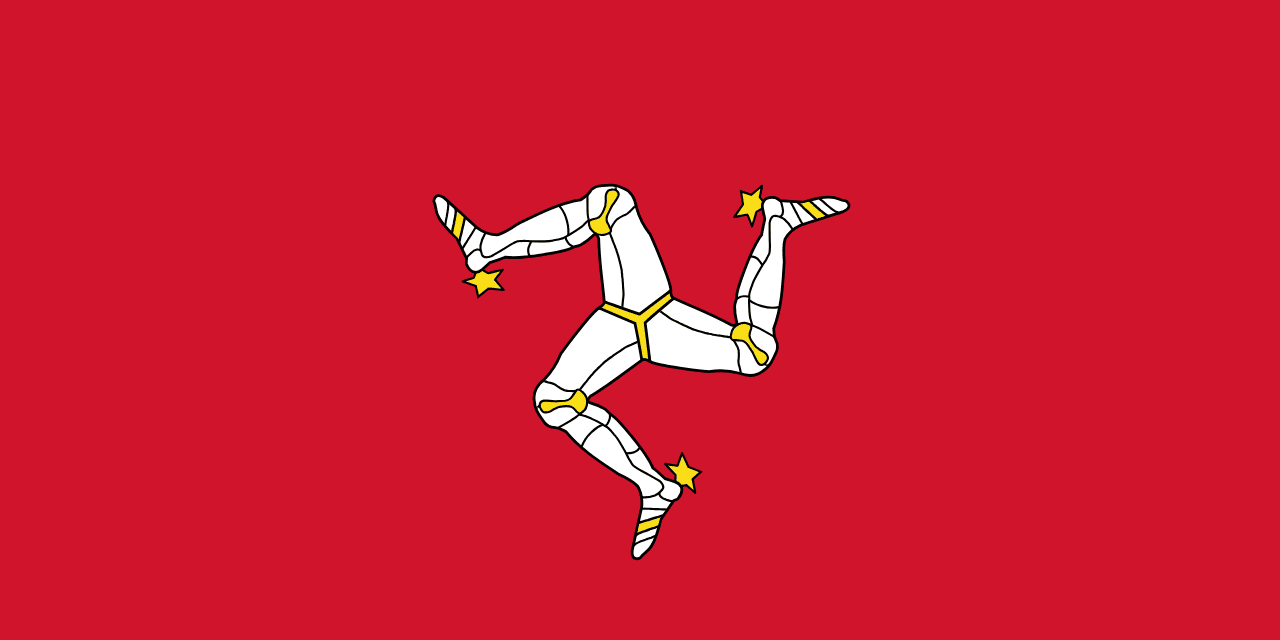
Red field featuring the ancient Celtic triskelion symbol of three armored legs, representing strength and resilience.

Estonia
Europe
Three horizontal stripes of blue, black, and white representing the sky and sea, the soil and past struggles, and the snow and bright future of this Baltic nation known for its digital innovation and preserved medieval heritage.
Åland Islands
Europe
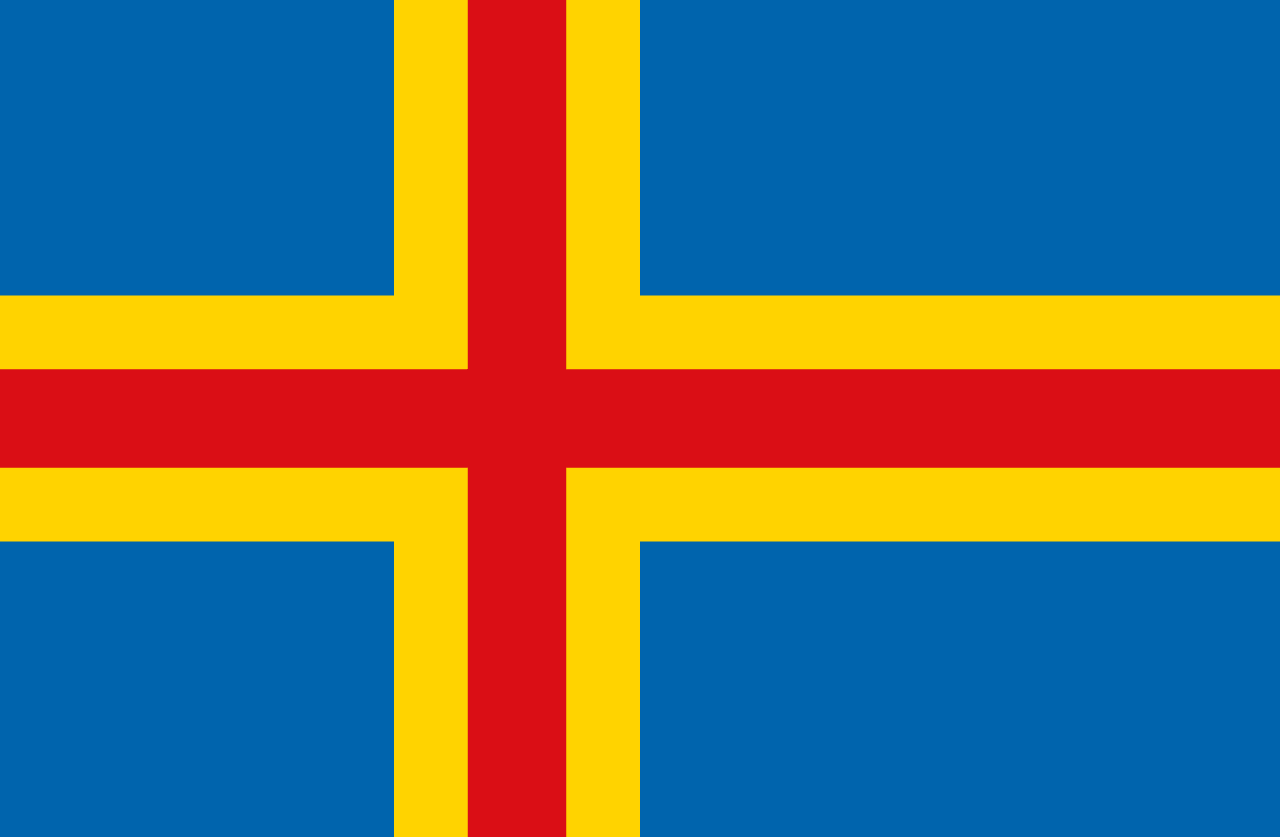
Tucked between Sweden and Finland, the Åland Islands possess a flag that tells the story of a small community balancing geography, culture, and politics. Adopted in 1954, the banner features a golden-bordered red cross set against a blue field, a striking fusion of Nordic tradition and local identity. Its design nods both to Finland, the sovereign state to which Åland belongs, and to Sweden, with which the islands share language and heritage. More than a decorative emblem, the flag is a quiet declaration of autonomy. It's a reminder that this archipelago, though small in population, carries a distinct voice within the Nordic world. To trace its colors and cross is to uncover a history of compromise, self-government, and the enduring importance of symbols in defining a people’s place.
Iceland
Europe
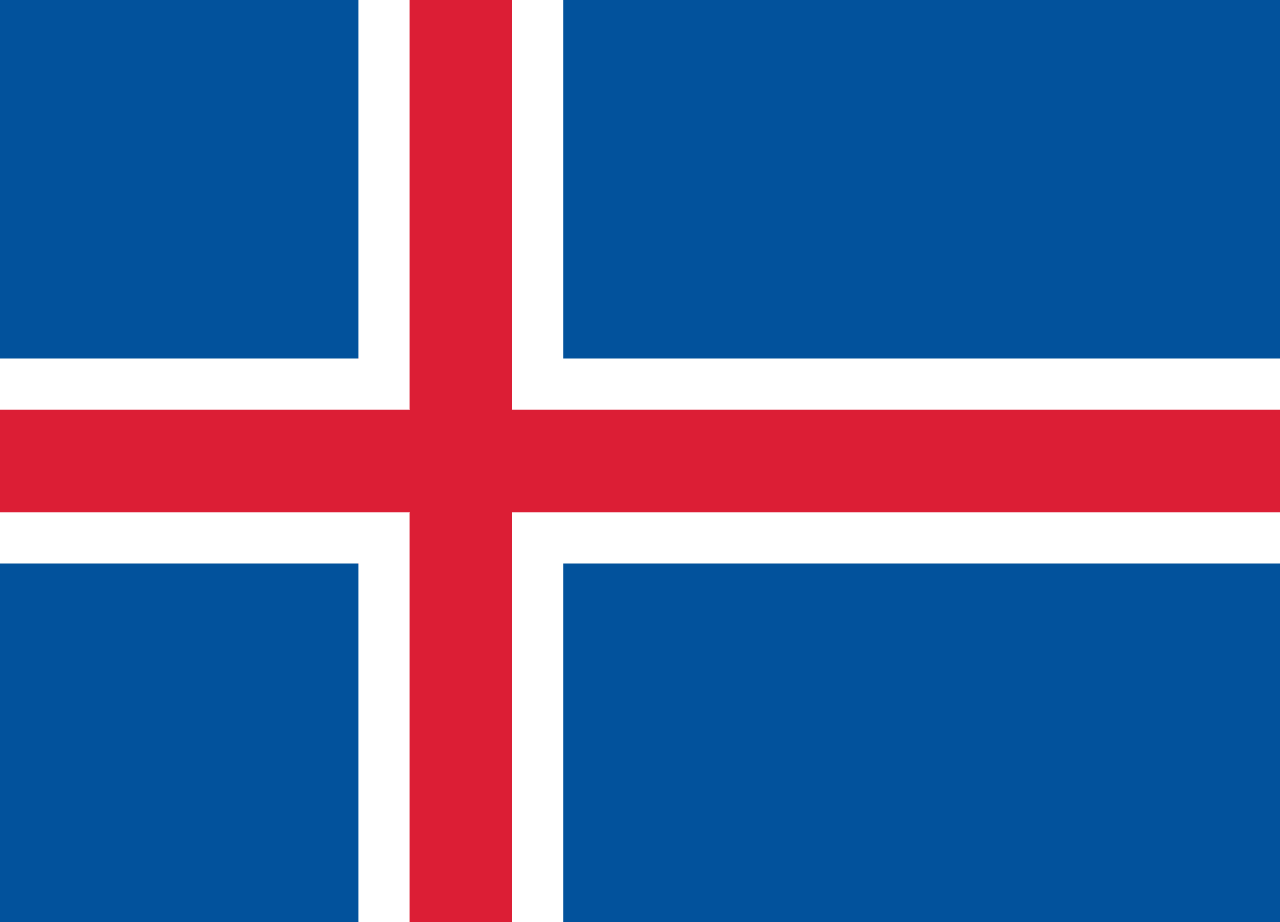
A blue field with a white-bordered red Nordic cross slightly offset toward the hoist, representing Iceland's Nordic heritage, Christian history, and the natural elements of fire and ice that define the island nation.

Italy
Europe
Three equal vertical stripes of green, white, and red, known as 'Il Tricolore,' representing the Italian Republic and embodying the values of hope, faith, and charity that unite the Italian peninsula.