Cape Verde Flag Meaning
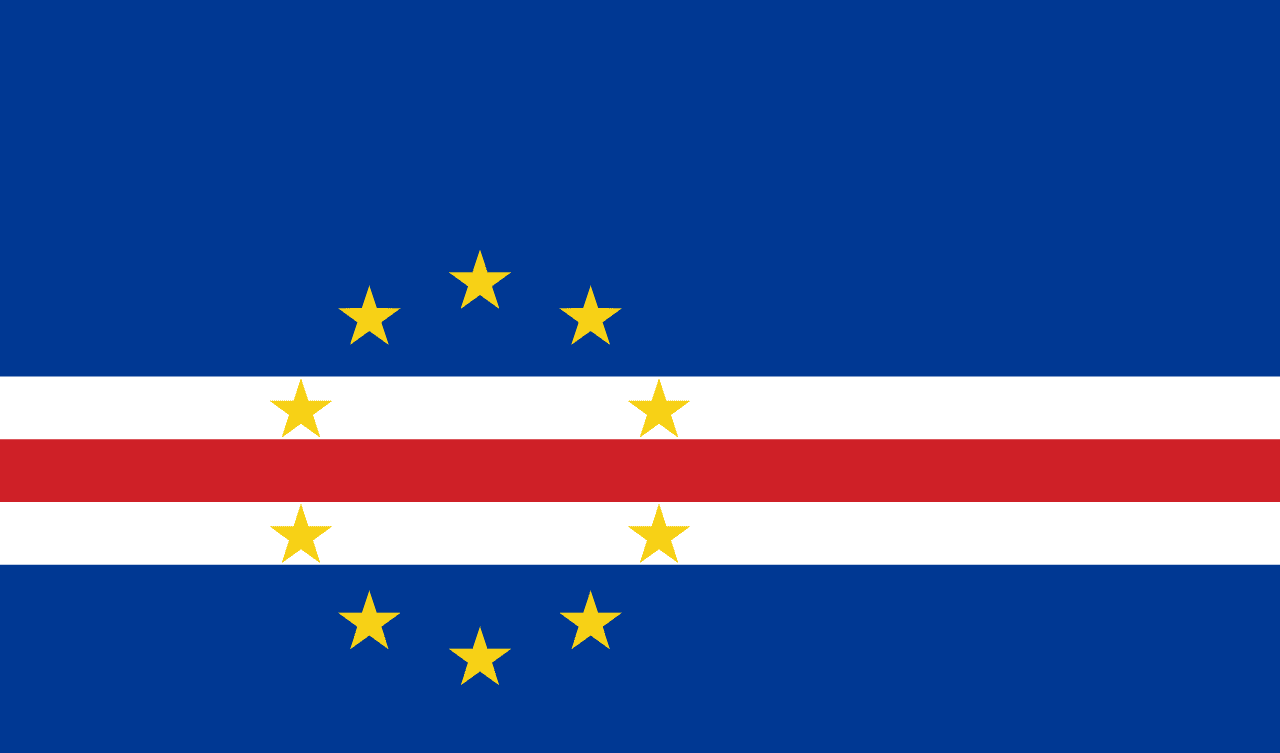
A blue field with two white stripes, one red stripe, and ten yellow five-pointed stars arranged in a circle, representing the Atlantic Ocean, peace, the struggle for independence, and the ten islands of this West African archipelago.
- Continent
- Africa
- Adopted
- 1992
- Ratio
- 2:3
- Colors
- blue, white, red
- Designer
- Unknown
Symbolism
- Blue Field
- Represents the Atlantic Ocean that surrounds the Cape Verde islands and the vast sky above, symbolizing the maritime heritage of the Cape Verdean people and their connection to the sea for fishing, trade, and emigration.
- White Stripes
- Represent peace and the path toward progress and development, symbolizing the tranquil aspirations of the Cape Verdean people and their commitment to peaceful coexistence in a stable democracy.
- Red Stripe
- Represents the struggle for independence from Portuguese colonial rule and the effort required for national development, symbolizing the blood, sweat, and determination of those who fought for freedom and continue building the nation.
- Ten Yellow Stars
- Represent the ten main islands of the Cape Verde archipelago (Santiago, Santo Antão, São Vicente, São Nicolau, Sal, Boa Vista, Fogo, Maio, Brava, and Santa Luzia), symbolizing unity among all islands and the bright future ahead.
History
- Pre-1460: The Cape Verde islands were uninhabited when Portuguese explorers arrived, though some evidence suggests possible earlier visits by African or Arab navigators crossing the Atlantic.
- 1460-1975: Portuguese colonization established the islands as a strategic waystation for the Atlantic slave trade and later as a coaling station, bringing enslaved Africans and creating the unique Cape Verdean Creole culture.
- 1956-1975: The African Party for the Independence of Guinea and Cape Verde (PAIGC) led by Amílcar Cabral fought for independence, linking the Cape Verdean struggle with Guinea-Bissau's liberation movement.
- July 5, 1975: Cape Verde gained independence from Portugal, initially using a flag similar to Guinea-Bissau's as both countries were united under PAIGC leadership and shared revolutionary ideals.
- 1975-1991: Cape Verde was a one-party state under the African Party for the Independence of Cape Verde (PAICV), implementing socialist policies while gradually moving toward political liberalization.
- 1991: Multi-party democracy was established following free elections, with the Movement for Democracy (MpD) defeating PAICV in the first competitive elections in the country's history.
- September 22, 1992: Cape Verde adopted the current flag design, replacing the earlier flag to reflect the new democratic era and the country's distinct identity separate from Guinea-Bissau.
- 1992-Present: The flag has represented Cape Verde's successful democratic consolidation, economic development focused on tourism and services, and emergence as a model of stability in West Africa.
Trivia
- Cape Verde is considered one of Africa's most stable democracies, having maintained peaceful transfers of power and democratic governance since 1991.
- The flag represents an archipelago nation with no natural rivers or forests, making it entirely dependent on desalination and imports for freshwater and most food.
- Cape Verde has produced world-renowned musicians, particularly in the morna genre popularized by the late Cesária Évora, known as the 'Barefoot Diva.'
- The country has a larger diaspora than resident population, with over 1 million Cape Verdeans living abroad, primarily in the United States, Portugal, and other European countries.
- Cape Verde is classified as a middle-income country despite limited natural resources, achieving this through tourism, services, and substantial remittances from emigrants.
- The islands experience chronic drought and have been affected by severe famines throughout history, leading to significant emigration and making food security a constant challenge.
- Sal Island is famous for its salt production and beautiful beaches, making it the center of Cape Verde's growing tourism industry.
- The flag flies over a country where Cape Verdean Creole (Kriolu) is widely spoken alongside Portuguese, creating a unique linguistic identity in West Africa.
- Cape Verde has never experienced a coup or civil war, making it exceptionally stable in a region often marked by political upheaval.
- The country serves as an important hub for transatlantic flights and telecommunications cables, leveraging its strategic location between Africa, Europe, and the Americas.
- Fogo Island features an active volcano that last erupted in 2014-2015, destroying several villages but also creating fertile soil for agriculture.
- Cape Verde's economy has successfully transitioned from agriculture-based to services-based, with tourism, financial services, and transportation becoming key sectors.
- The islands are a crucial stopover for migratory birds crossing the Atlantic, making them important for ornithological research and conservation.
- Cape Verde has achieved remarkable progress in human development, with high literacy rates and life expectancy approaching levels of developed countries.
- The flag represents a country that has maintained close ties with both Portuguese-speaking nations and West African neighbors while developing its own distinct identity.
Related Countries
Egypt
Africa
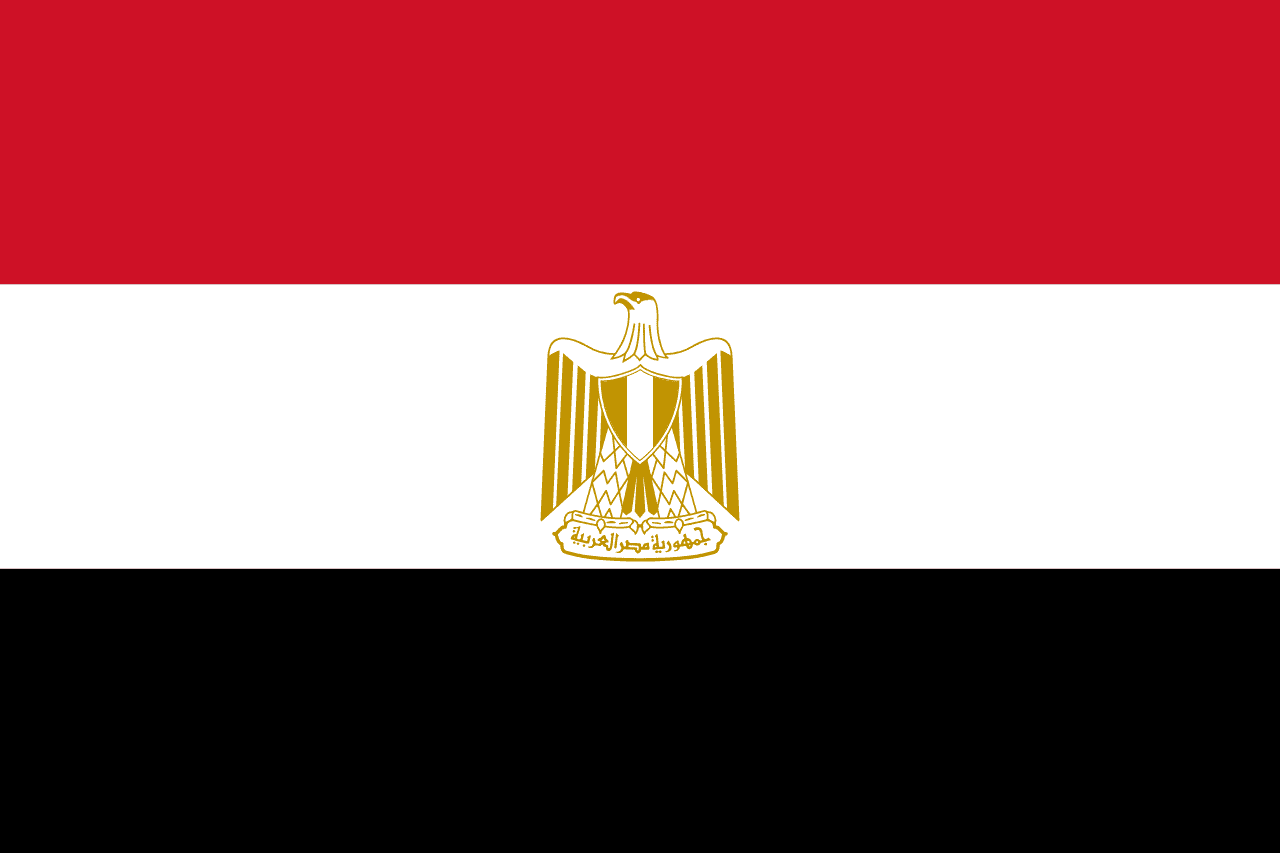
Three horizontal stripes of red, white, and black with the golden Eagle of Saladin centered on the white stripe, representing the struggle for freedom, purity and bright future, the dark past of oppression, and the strength of the Arab Republic of Egypt.
Botswana
Africa
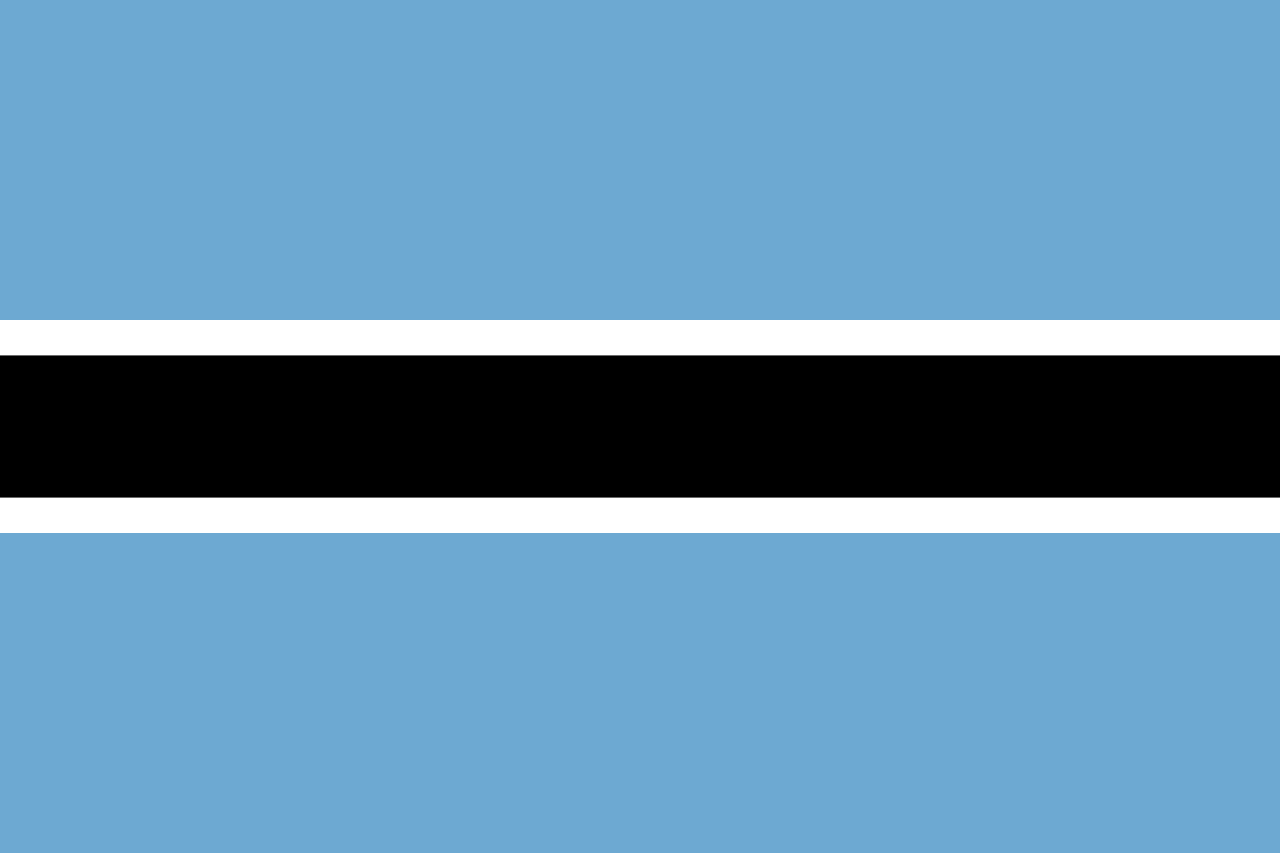
Light blue field with a central black horizontal stripe bordered by thin white stripes, representing the life-giving rains, racial harmony, and the zebra that symbolizes the coexistence of black and white people in peace.
Ethiopia
Africa
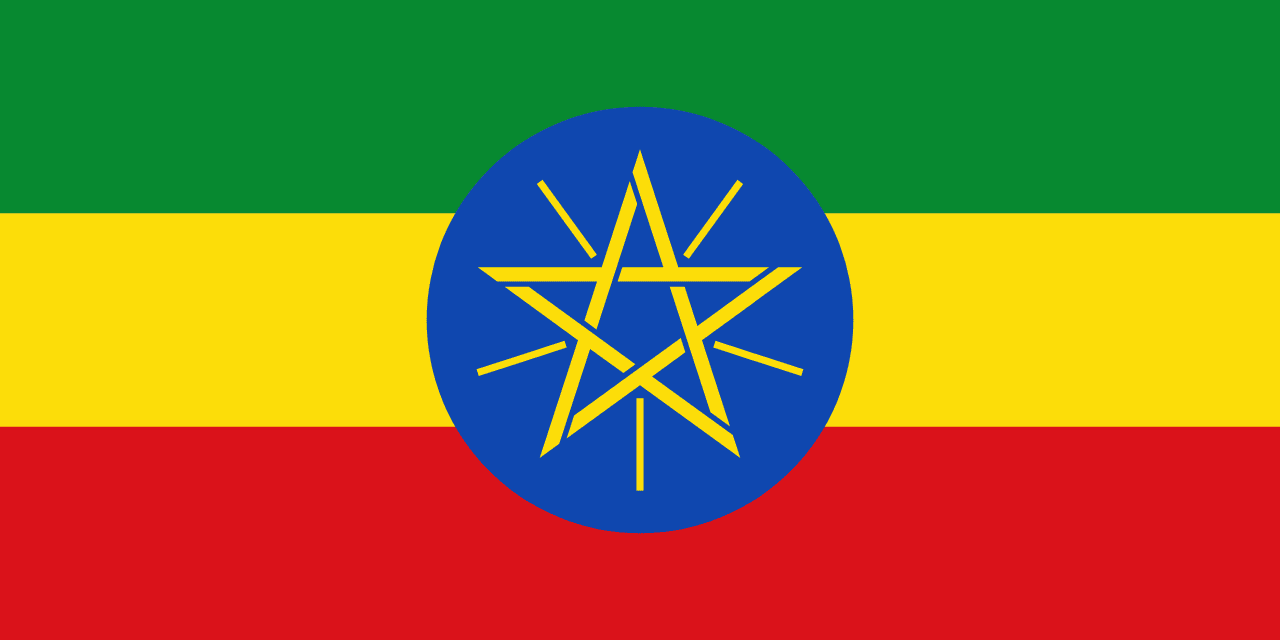
Three horizontal stripes of green, yellow, and red with a blue circle containing a yellow five-pointed star in the center, representing the original Pan-African colors, the diversity and unity of Ethiopia's peoples, and the country's ancient independence.
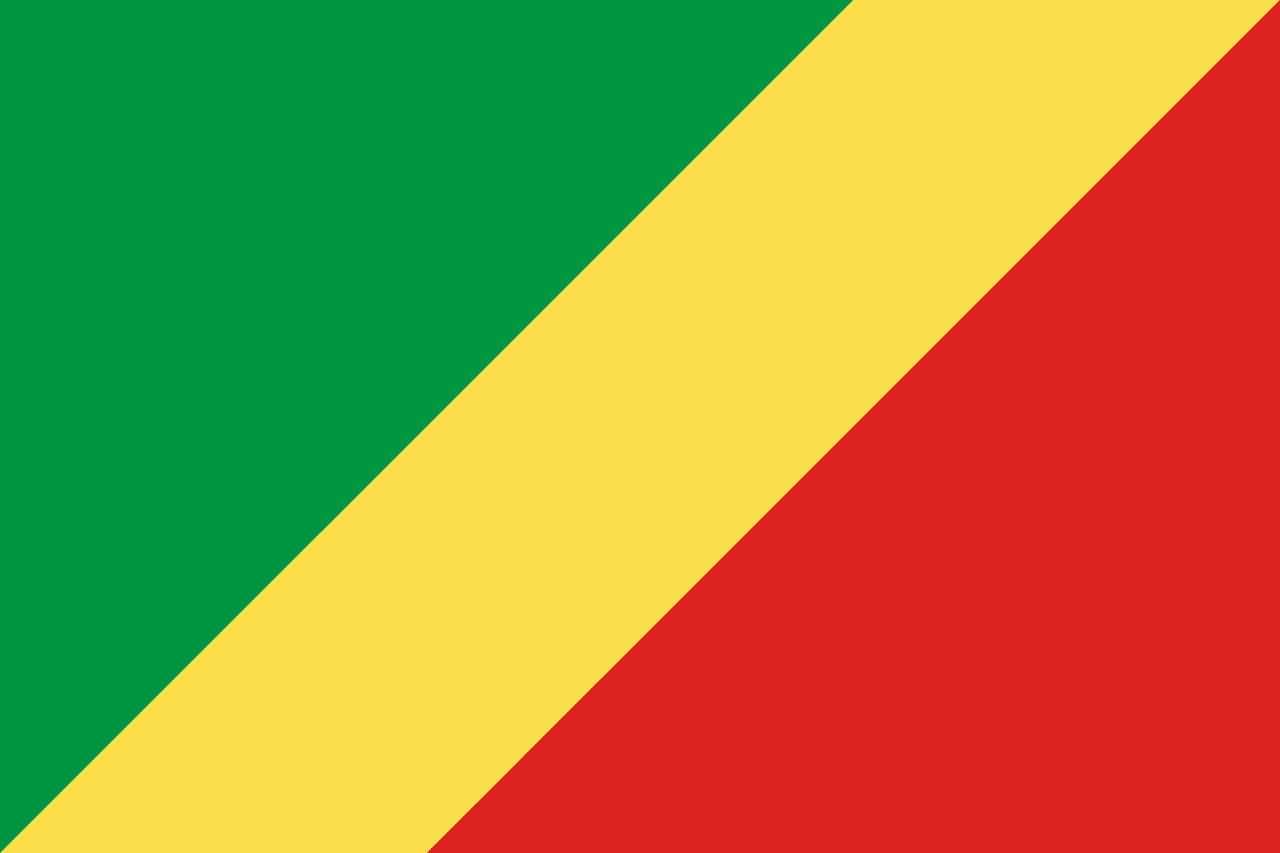
Republic of the Congo
Africa
A diagonal tricolor with green in the upper hoist, red in the lower fly, and yellow diagonal stripe separating them, representing the forests, the struggle for independence, and the friendship and nobility of the Congolese people.
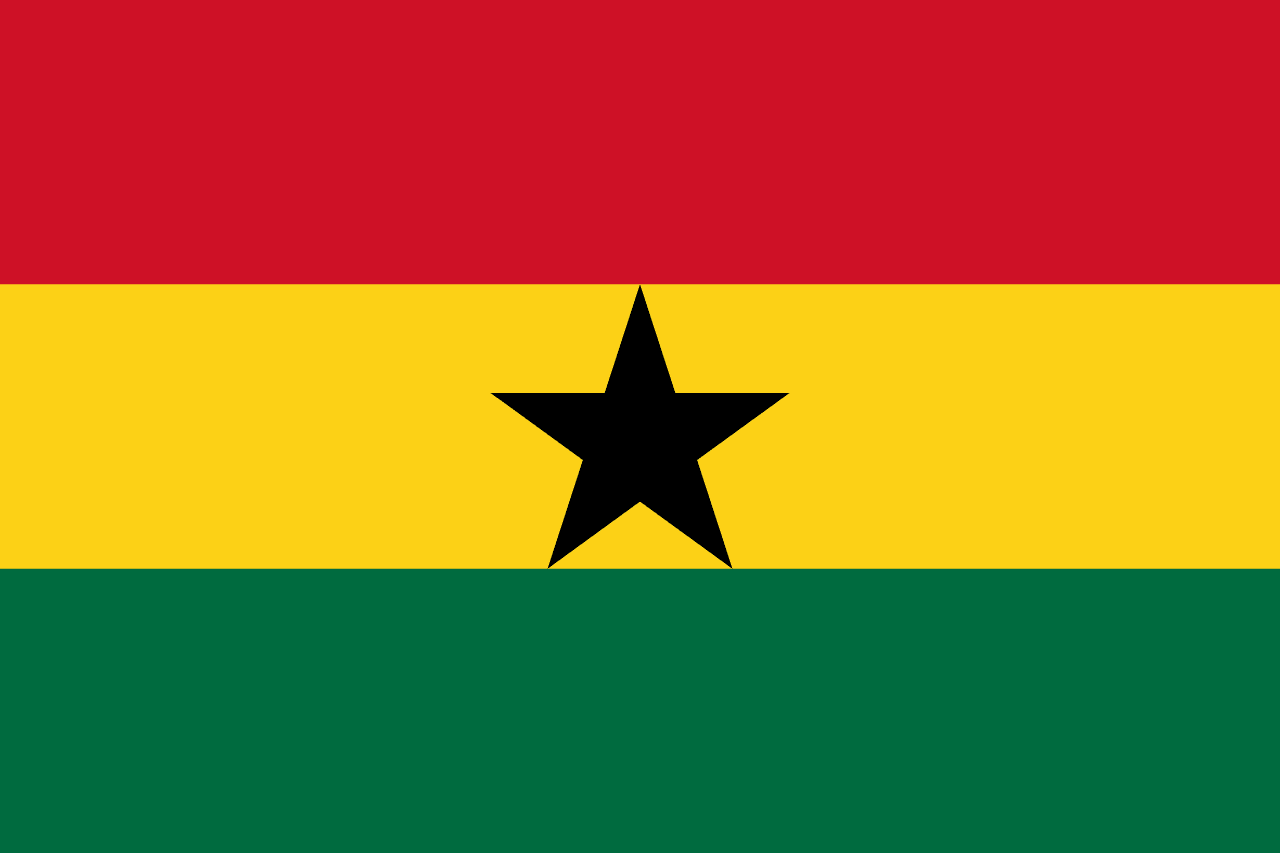
Ghana
Africa
The flag of Ghana and its meaning.
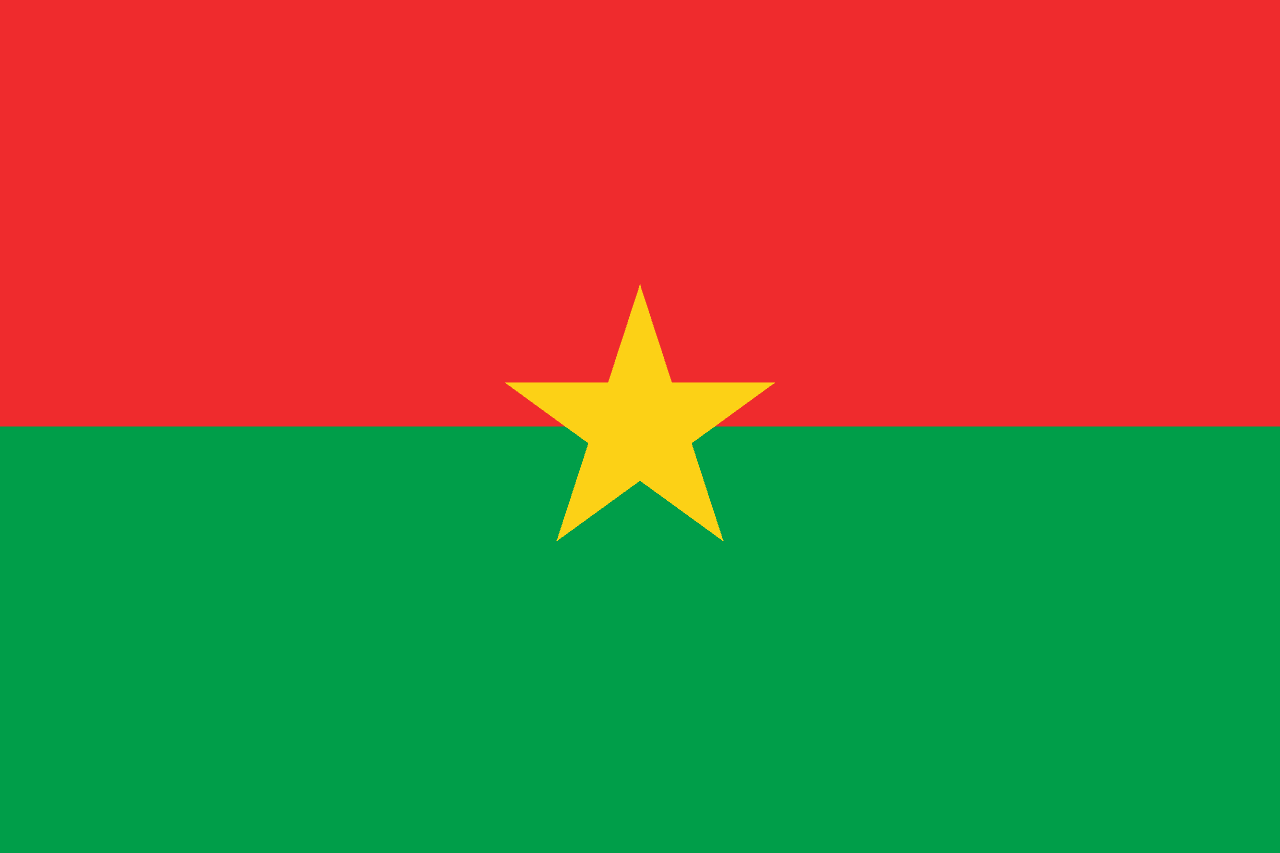
Burkina Faso
Africa
Two horizontal bands of red and green with a yellow five-pointed star in the center, representing the revolutionary ideals, agricultural wealth, and mineral resources of the nation, adopted when the country changed its name from Upper Volta.